UMI FEB Lecturer Optimizes Digital Green Marketing to Promote Sustainable Tourism in Bangkok, Thailand
BANGKOK, THAILAND– The development of digital technology has changed the way tourist destinations are promoted and has influenced tourist consumption patterns. On the other hand, increasing awareness of environmental issues encourages the tourism sector to integrate sustainability principles in promotional activities and destination management.
Responding to these developments, Lecturers at the Faculty of Economics and Business (FEB) of the Indonesian Muslim University (UMI) through PKM International carried out community service activities entitled“Optimizing Digital Green Marketing for Sustainable Tourism Promotion in Bangkok, Thailand.”
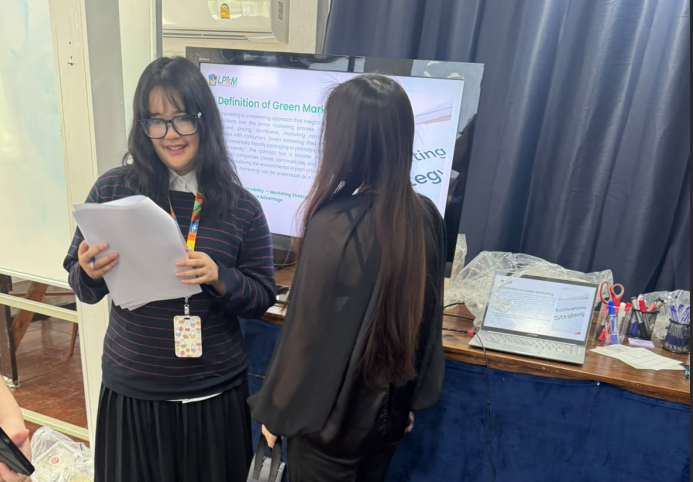
This activity aims to increase the visibility of tourist destinations through the use of digital platforms, expand the reach of promotions to tourists, build the image of the destination, and convey information about environmentally friendly tourism practices. Apart from that, this activity is expected to encourage the formation of responsible and sustainability-oriented tourism behavior.Team Leader,Dr. Ackhriansyah Ahmad Gani, S.E., M.M., accompanied by team membersMuhammad Abduh, S.E., Ak., M.Ak., CA and Raysa Islami Dwi Julitha, S.M.,explained that Bangkok is an urban tourist destination that has cultural and historical attractions, culinary diversity, trade and economic centers, and dynamic urban life. Supported by a broad tourism business ecosystem, Bangkok has a great opportunity to optimize the use of digital platforms in promoting sustainable tourism.
According to Ackhriansyah, this activity is aimed at providing an understanding of the concepts of digital marketing and green marketing, integrating these two approaches into the digital green marketing concept, as well as introducing the principles of sustainable tourism. Participants are also encouraged to be able to implement digital green marketing strategies in promotional activities for tourist destinations.
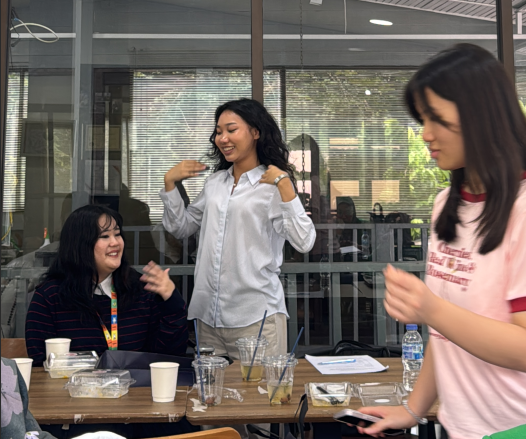
In his presentation, it was explained thatdigital marketingis a marketing activity that utilizes technology and digital channels to convey information, build relationships with consumers, and achieve marketing goals. Channels that can be used include websites, social media, email marketing, mobile marketing, and various online marketing platforms. This approach has interactive, measurable characteristics (measurable), right on target (targeted), takes place in real-time, and is able to reach the global market.
Meanwhile,green marketingis a marketing approach that integrates environmental concerns into marketing activities and product and service offerings. This concept does not just use environmentally friendly terms or labels, but must be supported by real actions and sustainable practices that can be accounted for.
The success of implementing digital green marketing can be measured through three main aspects. First,digital metrics, which covers the range (reach), impression (impressions), number of impressions (views), conversion (conversion), and engagement level (engagement rate). Second,sustainability communications, which includes increasing environmental awareness, interaction with educational content, and community participation in sustainability campaigns. Third,tourism impact, which can be seen from tourist visits, use of local products, community participation, and the formation of responsible tourist behavior.

Furthermore, this activity also identified a number of challenges in implementing digital green marketing in the tourism sector, including inaccurate sustainability information, limited digital literacy, content competition, low levels of audience engagement, and the gap between promotional messages and actual practice in the field.
To overcome these challenges, evidence-based marketing strategies are needed (evidence-based marketing), authentic content presentation (authentic content), consistent communication (consistent communication), as well as ongoing evaluation (continuous evaluation).
Through this PKM activity, the team led by Dr. Ackhriansyah emphasized the importance of integrating digital technology and sustainability principles as a contemporary tourism promotion strategy.Digital green marketing is not only a means of expanding the promotion of tourist destinations, but also an educational instrument to build environmental awareness and encourage the realization of responsible, inclusive and sustainable tourism.