Indonesian Muslim University Lecturer Presents SIPANDES, Community-Based Village Infrastructure Management Innovation in Ko'mara Takalar
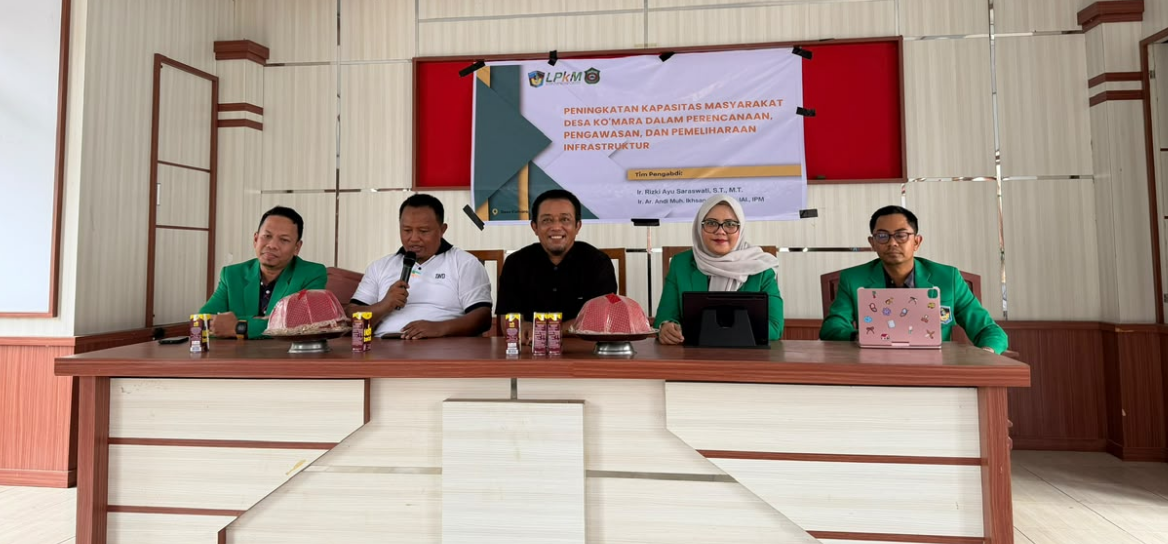
TAKALAR – Indonesian Muslim University (UMI) continues to encourage the empowerment of village communities through appropriate technological innovation. This time, the UMI Internal Community Service Team (PKM) Lecturers presented SIPANDES (Community Based Village Infrastructure Planning, Supervision and Maintenance System) through an activity entitled"Increasing the Capacity of the Ko'mara Village Community in Planning, Supervising and Maintaining Infrastructure"which was carried out in Ko'mara Village, East Polongbangkeng District, Takalar Regency.
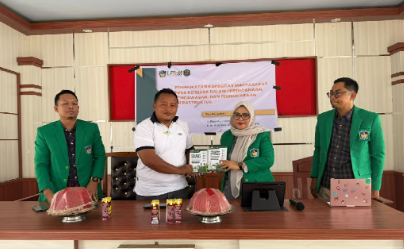
This activity is part of the implementation of the Tri Dharma of Indonesian Muslim University Higher Education and is within the scope of management of the UMI Community Service Institute (LPKM) as an institution that coordinates and facilitates community service activities within the university environment.
This PKM program is chaired byIr. Rizki Ayu Saraswati, S.T., M.T., with team membersAr. Ir. Andi Muhammad Ikhsan, S.T., M.Sc., IPM.
This activity is a form of UMI's real contribution in presenting appropriate technological innovations that can be utilized directly by village communities, especially to improve the quality of infrastructure management in a participatory, transparent and sustainable manner.
SIPANDES, Village Infrastructure Management Innovation
In this activity, the team introduced SIPANDES as an Appropriate Technology (TTG) innovation product designed to help the community and village government identify infrastructure conditions, determine treatment priorities, carry out supervision, and prepare planned maintenance schedules.
SIPANDES was developed in the form of a practical pocket book equipped with six main instruments, namely Participatory Infrastructure Map, Infrastructure Condition Identification Card, Infrastructure Priority Matrix, Supervision Checklist, Village Infrastructure Control Board, and Maintenance Calendar.
Through this instrument, the community is introduced to a more systematic infrastructure management approach. Infrastructure is not only seen as the result of physical development, but also as a village asset that requires ongoing monitoring and maintenance.
In its implementation, this activity involves the village government and community as the main partners. Sub-district government support is also an important part of encouraging program sustainability.
Subdistrict and Village Government Support
Head of East Polongbangkeng District,Muhammad Arif Tutu, S.E., M.AP., expressed his appreciation for the contribution of the Indonesian Muslim University through the community service program.
According to him, this activity is relevant to village development needs because it encourages community involvement in planning, monitoring and maintaining infrastructure. He hopes that SIPANDES will not stop at training activities, but can be implemented in a sustainable manner and become good practices that can be developed in other villages in the East Polongbangkeng District area.
Meanwhile, the Head of Ko'mara Village,Ruslam Adiputra, S.T., welcomed the implementation of the program and the presence of SIPANDES as a supporting instrument for village infrastructure management.
He believes that the pocket book and its supporting tools can help village governments and communities collect data on infrastructure conditions, map locations, determine damage priorities, and prepare maintenance schedules.
The Ko'mara Village Government hopes that these guidelines can be used sustainably so that infrastructure management becomes more orderly, planned and transparent.
Support from the sub-district government and village government is expected to be the basis for the continued implementation of SIPANDES. In this way, the innovation produced through this service activity is not only an academic output, but can also be put to real use in village development governance.
Encourage Sustainable Village Infrastructure Governance
The PKM Team hopes that the implementation of SIPANDES can help the Ko'mara Village Government build a more orderly infrastructure data collection system, increase transparency of infrastructure conditions, and determine the priority scale for handling based on the level of damage and community needs.
Through this program, Indonesian Muslim University through the UMI Community Service Institute (LPKM) emphasizes its commitment to encourage the implementation of lecturer service which not only produces academic outcomes, but also presents innovative solutions that are applicable and provide real benefits for the development of village communities.
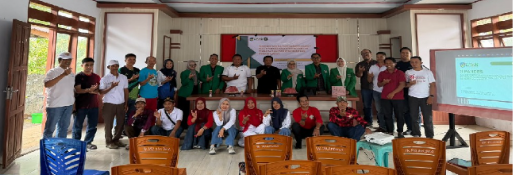
SIPANDES: From the Community, By the Community,
for Better and Sustainable Village Infrastructure.