FIKOM increases English Literacy through the Use of Technology at SMA Negeri 1 Selayar Islands
On October 1-2 2024, a team of service lecturers from the Faculty of Computer Science, Indonesian Muslim University (FIKOM UMI) Makassar carried out Community Service (PkM) activities at SMA Negeri 1 Selayar Islands Regency. This activity is an annual program that aims to make a real contribution to developing the quality of education in the region.
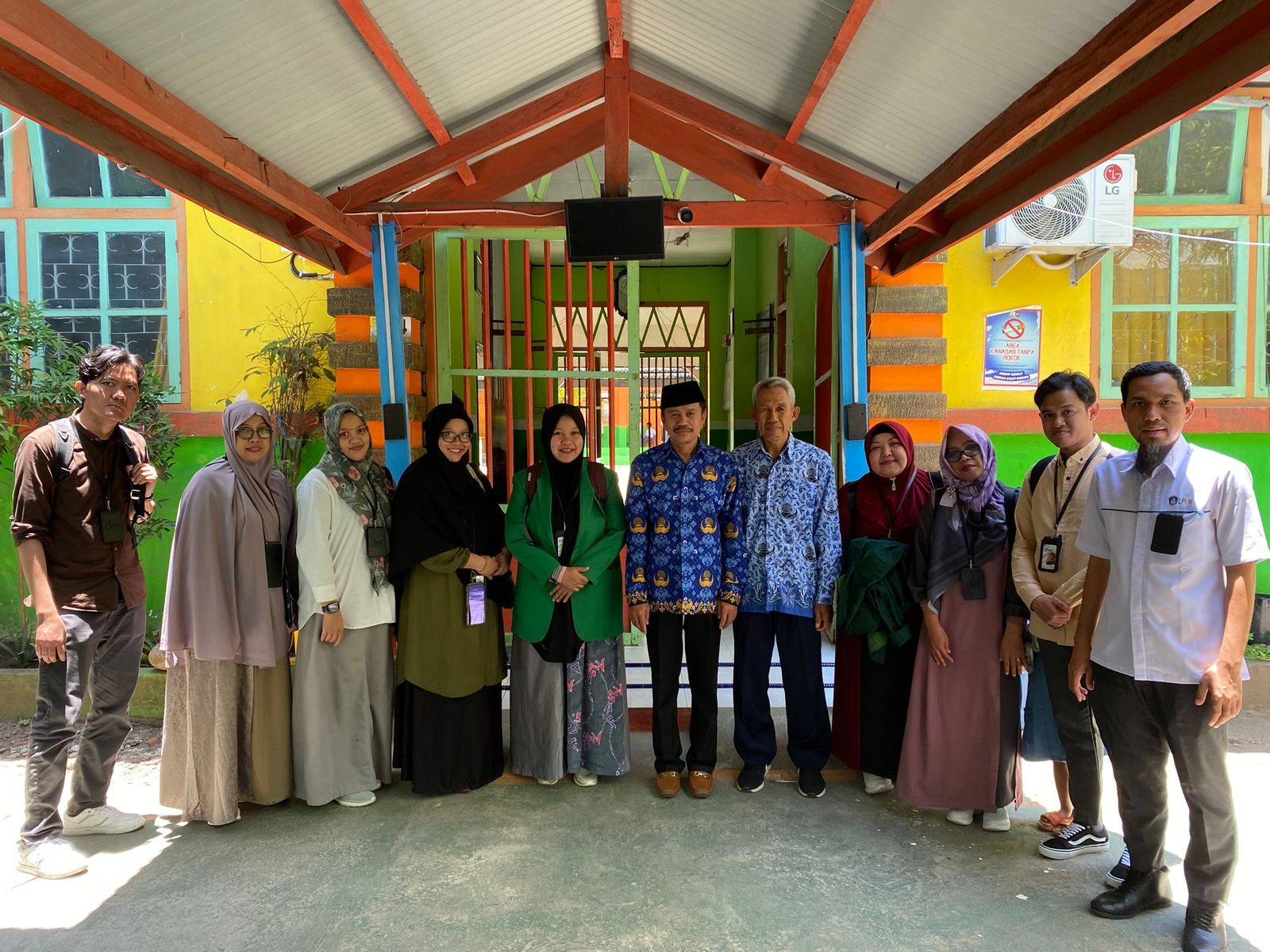
In 2024, the theme carried isUse of Technology to Improve English Literacy in High Schools: Digital Literacy Competency Analysis. This activity involves the collaboration of lecturers from the fields of Computer Science and English Education, as well as students from the Informatics Engineering Study Program. The service lecturers involved include:
- Ir. Yulita Salim, S.Kom., M.T., MTA,
- Lilis Nur Hayati, S.Kom., M.Eng., MTA, And
- Awaluddin Syamsu, S.Pd.I., MA., TESOL.
The main aim of this activity is to improve students' English literacy by utilizing modern educational technology. English literacy is considered an important skill in facing the challenges of globalization, both for international communication and access to educational resources.
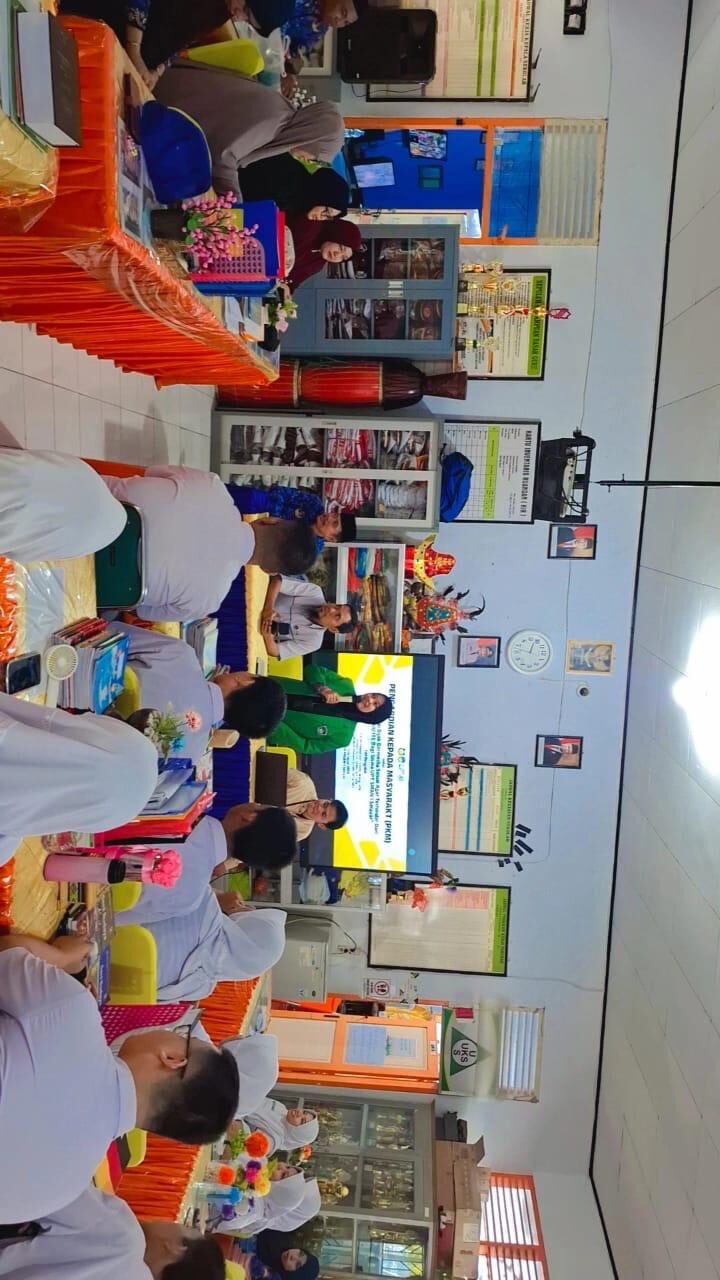
In this activity, the service team introduced technology-based learning methods, including the use of online platforms and English language learning applications“Wiyata”, which can be downloaded for free via PlayStore. In addition, digital literacy training is carried out which includes:
- Utilization of software and applications for language learning,
- Use of social media as a tool for developing speaking and writing skills, as well
- Training for teachers in utilizing technology to improve student learning experiences.
Implementation of activities includes interactive training, demonstrations on the use of technology, as well as mentoring sessions for students and teachers. Students are trained to learn independently through digital resources, while teachers are equipped with the skills to integrate technology in the learning process.
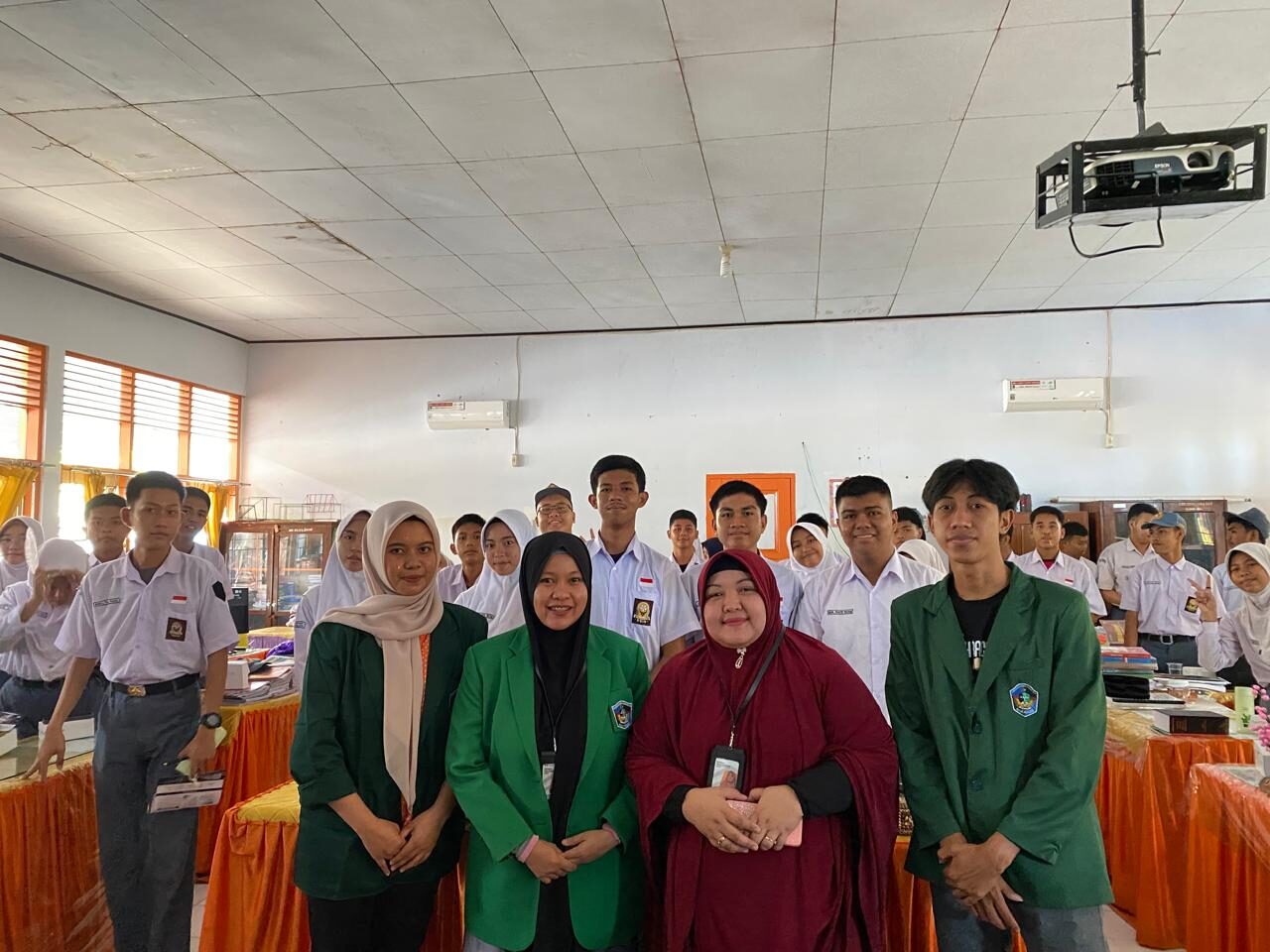
This activity received a positive response from the participants. Students feel more motivated to learn English in an innovative and fun way, while teachers feel helped in adopting technology as part of their teaching strategy. In addition, the introduction of the applicationWiyatasucceeded in increasing the accessibility of quality learning resources.
This activity is expected to not only improve students' English literacy competencies, but also foster digital literacy skills which are essential in the current technological era. With collaboration between academics, students and local communities, it is hoped that this program will become a technology-based community service model that can be applied in other regions.