Strengthening Public Services, UMI Lecturers Equip Manggala District Apparatus with Digital-Based Intercultural Communication
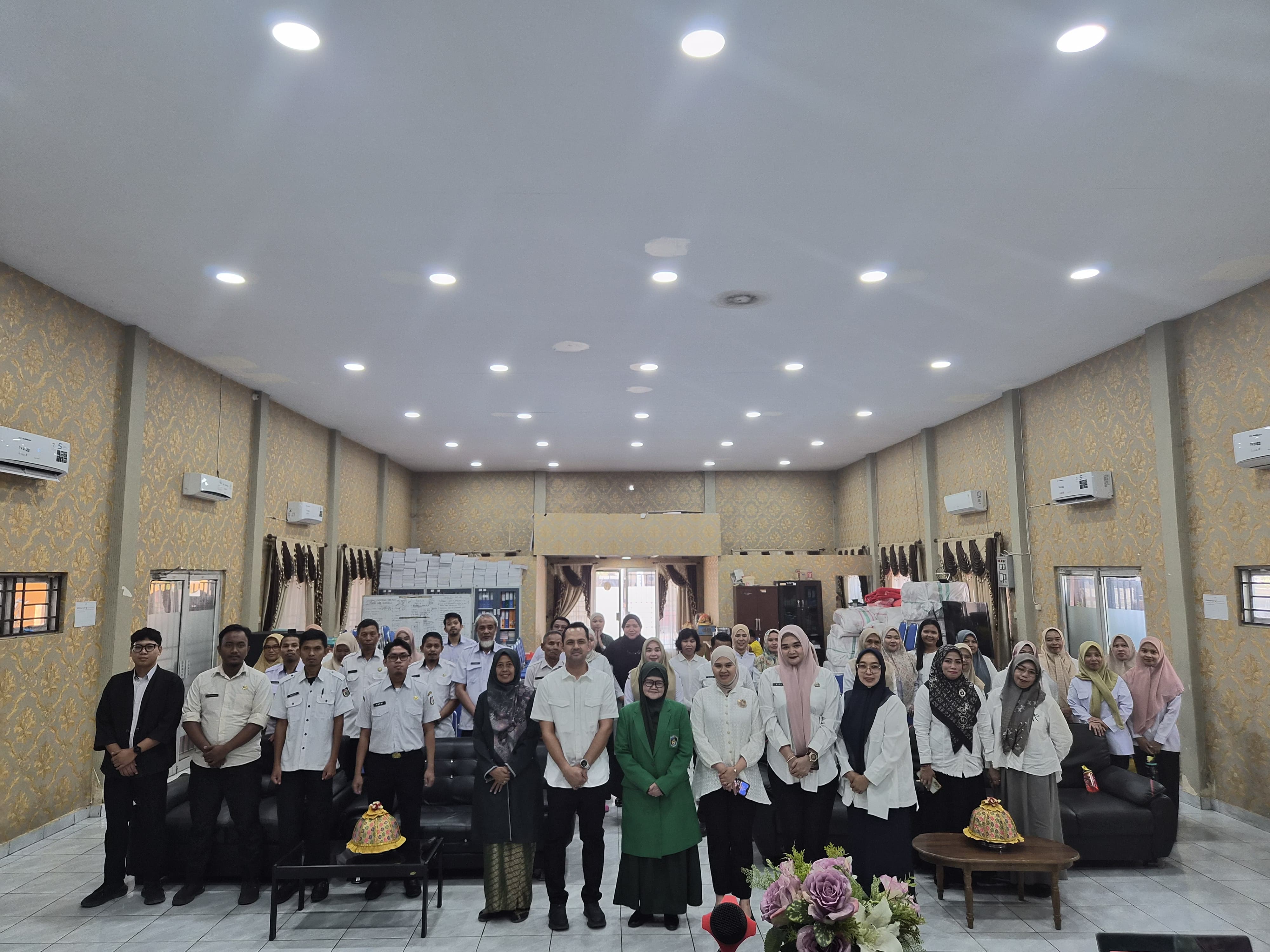
MAKASSAR — A team of lecturers from the Faculty of Literature, Communication and Education at the Indonesian Muslim University (UMI) implemented a Community Service (PKM) superior scheme for the apparatus of Manggala District, Makassar City. Carrying the theme "Intercultural Communication Training Based on Digital Tools to Improve Service Ethics for Manggala District Officials", this activity focuses on strengthening communication that is polite, empathetic and respects the diversity of society.
The training took place in September–October 2026 through three face-to-face meetings involving 25 participants. Apart from sub-district staff, this activity was also attended by a number of officials, including the Head of the Government Section and the Head of the Cleaning and Parks Section.
The implementation team is chaired by Dr. Dra. Andi Hudriati, M.Hum., with members Rizkariani Sulaiman, S.Pd., M.Pd., and Dr. Hadawiah, S.E., M.Si. This activity also involved two students from the English Literature Study Program, namely Adinda Noer Faizah and Hanny Nur Mardiah.
In delivering the material, Andi Hudriati and his team emphasized the importance of being able to understand cultural differences in public services. Sub-district officials every day interact with residents who have a diversity of languages, habits, characters and socio-cultural backgrounds. Understanding this diversity is necessary so that service information can be received well and every citizen receives fair treatment.
The implementation team explained that intercultural communication includes the ability to convey information as well as the willingness to listen and understand the community's point of view. Choice of words, voice intonation, expressions, and how to answer questions and respond to complaints are important elements in building professional service interactions. It is hoped that an empathetic attitude and clear explanations can reduce misunderstandings between officials and the public.
Through this series of training, participants are expected to be able to apply understanding of intercultural communication in various daily service situations. Application includes the ability to explain procedures simply, respond to complaints calmly, and provide services without prejudice to residents' backgrounds.