UMI Lecturers Apply Household Organic Waste Sanitation Technology in the Melayu District of Makassar
MAKASSAR – Indonesian Muslim University (UMI) lecturers through their Community Service (PKM) activities continue to encourage the application of appropriate science and technology to help overcome environmental problems in society. One of these efforts is realized through activities entitled“Application of Household Organic Waste Sanitation Technology”in Melayu Village, Wajo District, Makassar City.
This activity is a follow-up to the previous service program which focused on education on sorting kitchen waste. In the advanced stage, the service team developed an approach through the application of simple sanitation technology to help the community manage food scraps and kitchen waste in a more orderly, hygienic and sustainable manner.
Melayu subdistricts, which have relatively dense residential areas with limited household space, face their own challenges in managing organic waste and environmental sanitation. These conditions were taken into consideration by the team in designing a technological approach that was practical, easy to understand, and could be adapted to people's household conditions.
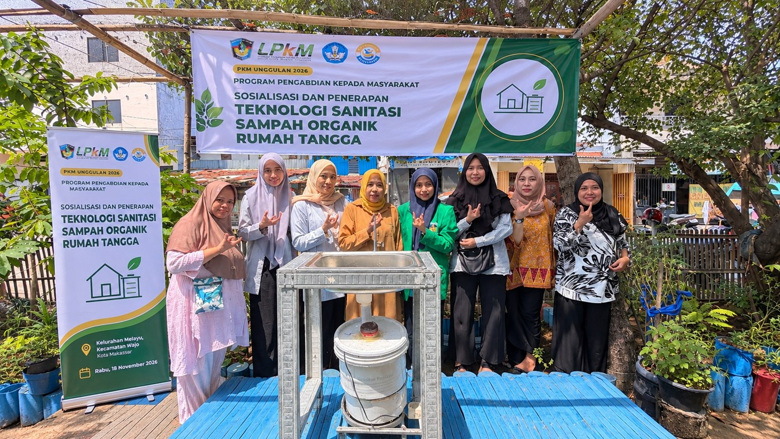
The socialization and demonstration activities took place on November 18 2026 involving RT administrators, environmental cadres, and representatives of the Malay Village community. In this activity, the team provided education regarding managing food waste, handling kitchen waste, and the importance of maintaining the cleanliness and smoothness of household drains to prevent blockages.
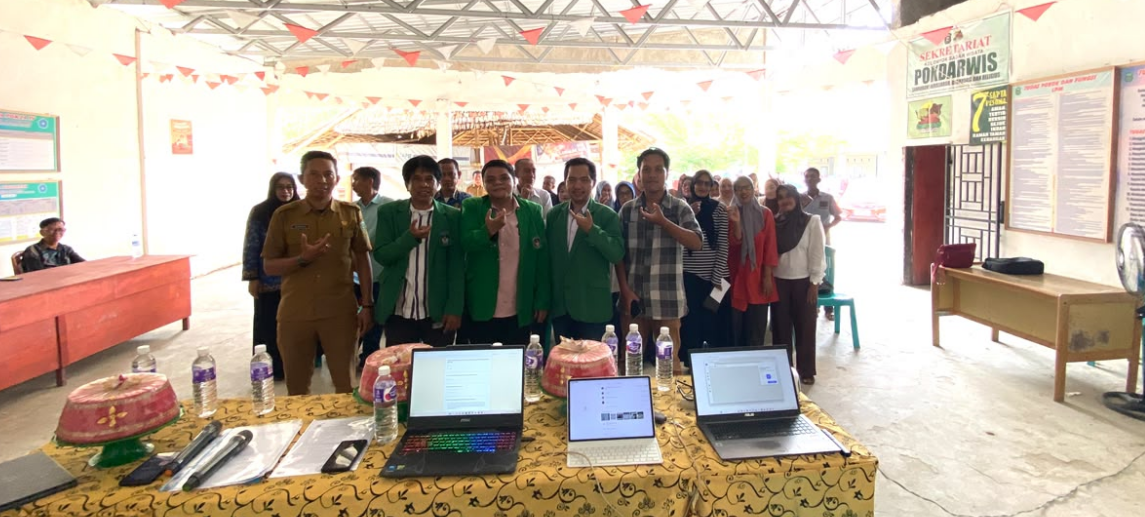
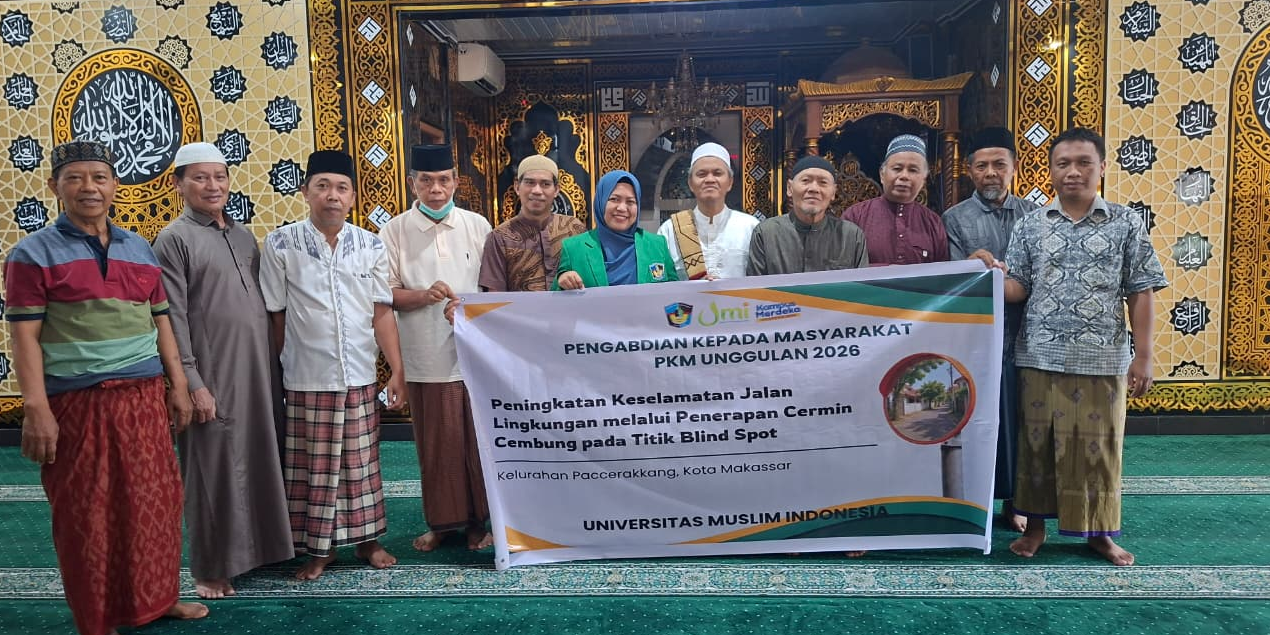
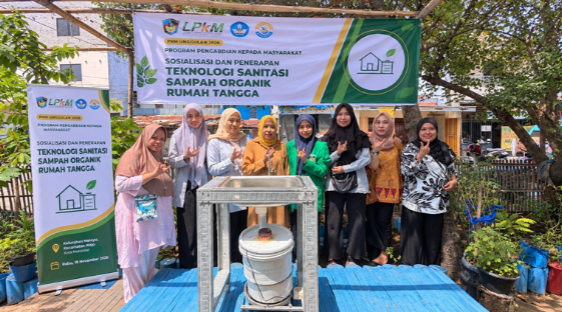 Photo 1. UMI Community Service Team with the community and activity participants in Melayu Village, Wajo District, Makassar City.
Apart from delivering the material, the public also received an explanation and demonstration regarding the principles of implementing and maintaining household sanitation systems. This education is directed so that people not only understand the importance of kitchen waste management, but are also able to apply it in their daily activities.
The service team emphasized that the application of sanitation technology needs to consider environmental characteristics and limited space available. Therefore, the approach used prioritizes simple and adaptive technology, so that it can be applied without having to make permanent changes to building construction.
This activity involved lecturers from the fields of Civil Engineering and Architectural Engineering as well as UMI students in the survey, design and program implementation stages. This cross-sector collaboration is part of efforts to present science-based solutions that suit the needs of urban communities.
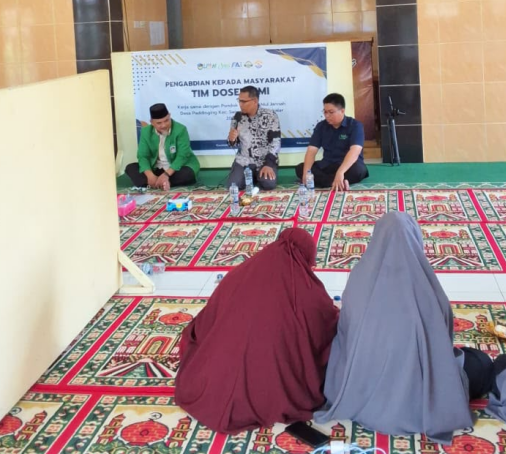
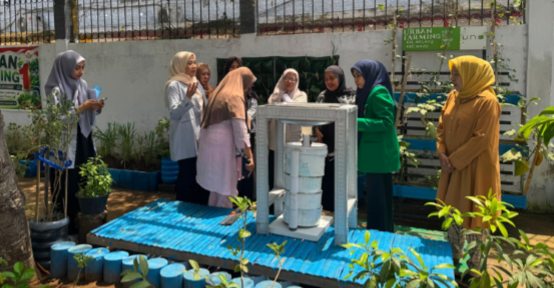 Photo 2. Socialization activities and implementation of household organic waste sanitation technology in Melayu Village.
Through this program, it is hoped that the people of Melayu Village will increasingly understand the importance of managing organic waste and kitchen waste from the source. Apart from supporting improving the quality of environmental sanitation, this activity is also in line with achievementsSustainable Development Goals(SDGs), especially Goal 6 on Clean Water and Adequate Sanitation and Goal 11 on Sustainable Cities and Human Settlements.
This activity is part of the contribution of UMI lecturers in carrying out the Tri Dharma of Higher Education, especially through the application of knowledge and academic expertise to answer community needs. Through this service program, UMI lecturers help to encourage the creation of a cleaner, healthier and more sustainable residential environment.