Clean Water and Papaya Become New Weapons for Temmapaduae Residents to Prevent DHF
MAROS – Efforts to improve the quality of clean water while preventing the spread of Dengue Hemorrhagic Fever (DHF) continue to be carried out in Temmapaduae Village, Maros Regency. Through community service activities, the team from the university presented a simple innovation by optimizing clean water installations using the zeolite filtration method and utilizing papaya plants (Carica papaya) as part of efforts to prevent dengue fever.
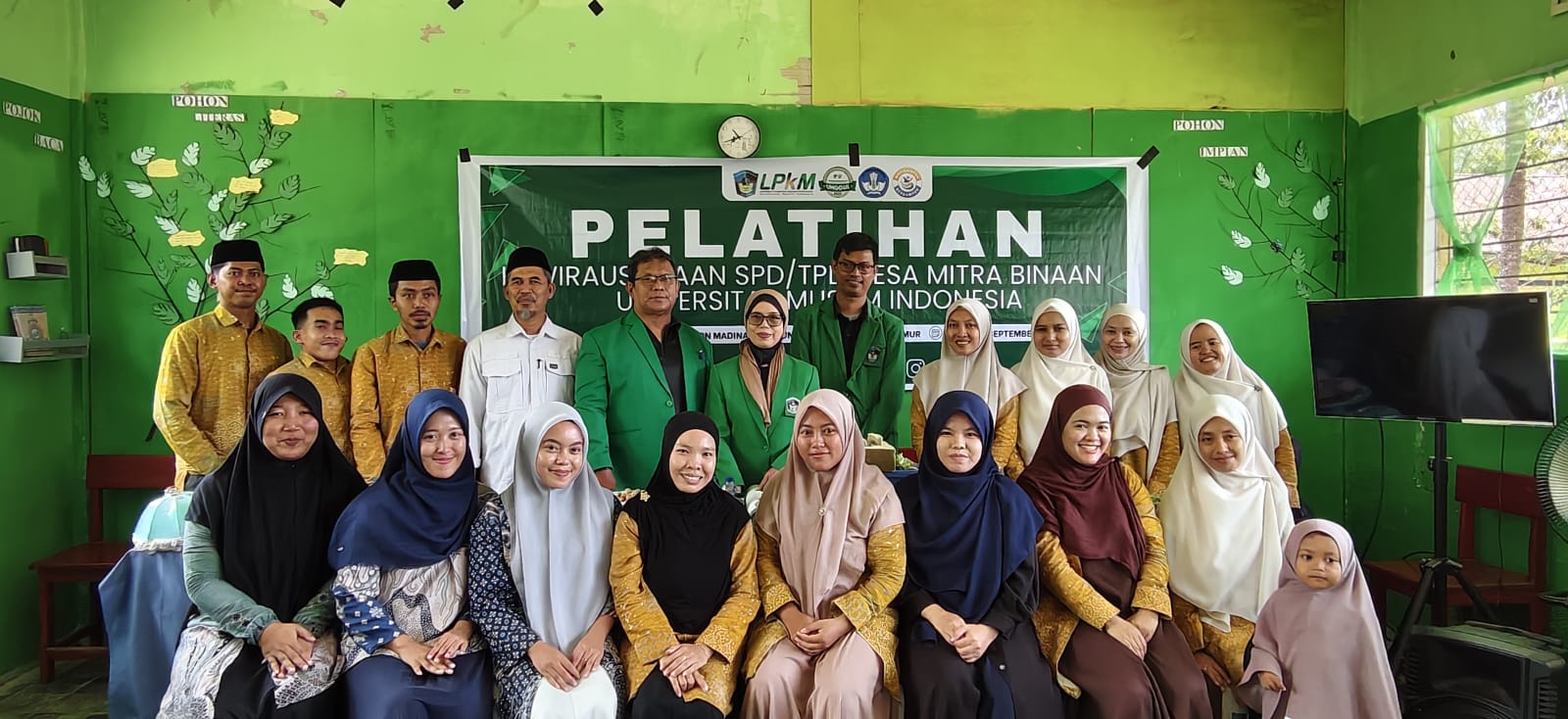
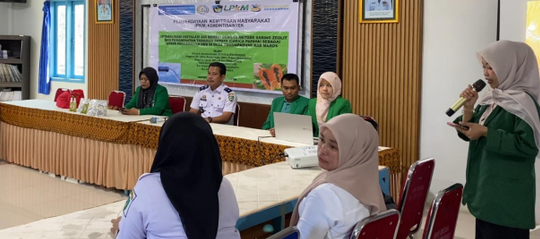
This activity carries the theme "Optimizing Clean Water Installations using the Zeolite Filter Method and Utilizing Papaya Plants (Carica papaya) as an Effort to Prevent DHF in Temmapaduae Village, Maros Regency." This program is led by Ir. Annisa Junaid, ST., M.Eng. as team leader, together with member Dr. Alfina Baharuddin, SKM., M.Kes. and Hardi, SKM., M.Kes.
This program is designed to answer two important, interrelated problems in society, namely the need for clean, quality water and controlling environmental-based disease risk factors, especially dengue fever.
In this activity, the public was introduced to water filtration technology using zeolite. Zeolite media was chosen because it has the ability to act as a filter material which can help reduce a number of contaminants in water so that the quality of the water used by the community is better. Installation optimization is carried out using a relatively simple approach, so it is hoped that it can be implemented and maintained independently by the community.Apart from managing clean water, the team also introduced the use of papaya plants as part of an environment-based dengue prevention approach and community empowerment.
Papaya plants, which are easy to find in the community, are directed to become one of the local resources that can be utilized in environmental health education. Team leader, Ir. Annisa Junaid, ST., M.Eng., explained that this activity is not only oriented towards building or improving facilities, but also encourages changes in community behavior so that they are able to maintain environmental quality in a sustainable manner.
"The technology applied must be simple, easy to understand, and can be maintained by the community. Therefore, optimizing clean water installations is combined with environmental health education and utilization of local resources," he said.
"The technology applied must be simple, easy to understand, and can be maintained by the community. Therefore, optimizing clean water installations is combined with environmental health education and utilization of local resources," he said.
Meanwhile, Dr. Alfina Baharuddin, SKM., M.Kes., emphasized the importance of community involvement in environmental-based disease prevention. According to him, controlling dengue fever
It is not enough to just rely on action after a case occurs, but it needs to be done through prevention from the household environment.
"A healthy environment is an important foundation for preventing disease. People need to have the knowledge and skills to recognize and control the risk factors around them," he explained.
This activity is expected to increase the knowledge and skills of Temmapaduae Village residents in managing clean water, maintaining environmental cleanliness, and strengthening community participation in preventing dengue fever.
Through innovation based on simple technology and local potential, this program is expected to become a model of community empowerment that can be developed sustainably. Managed clean water, a protected environment, and an empowered community are the keys to a Temmapaduae Village that is healthier and more resilient to environmental-based diseases.
It is not enough to just rely on action after a case occurs, but it needs to be done through prevention from the household environment.
"A healthy environment is an important foundation for preventing disease. People need to have the knowledge and skills to recognize and control the risk factors around them," he explained.
This activity is expected to increase the knowledge and skills of Temmapaduae Village residents in managing clean water, maintaining environmental cleanliness, and strengthening community participation in preventing dengue fever.
Through innovation based on simple technology and local potential, this program is expected to become a model of community empowerment that can be developed sustainably. Managed clean water, a protected environment, and an empowered community are the keys to a Temmapaduae Village that is healthier and more resilient to environmental-based diseases.