FROM THE FIELDS TO THE DINNING TABLE, UMI ENCOURAGES LOCAL FOOD INNOVATION TO PREVENT STUNTING IN A'BULOSIBATANG VILLAGE MAROS
Indonesian Muslim University (UMI) continues to strengthen the role of universities in empowering communities through innovation based on local potential. Through the 2026 Assisted Village Empowerment Program (PDB), UMI carried out the activity "Empowerment of Assisted Villages with Digital Nutrition Education Centers and Diversification of Processed Rice Products for Stunting Prevention in A'bulosibatang Village, Maros Regency."
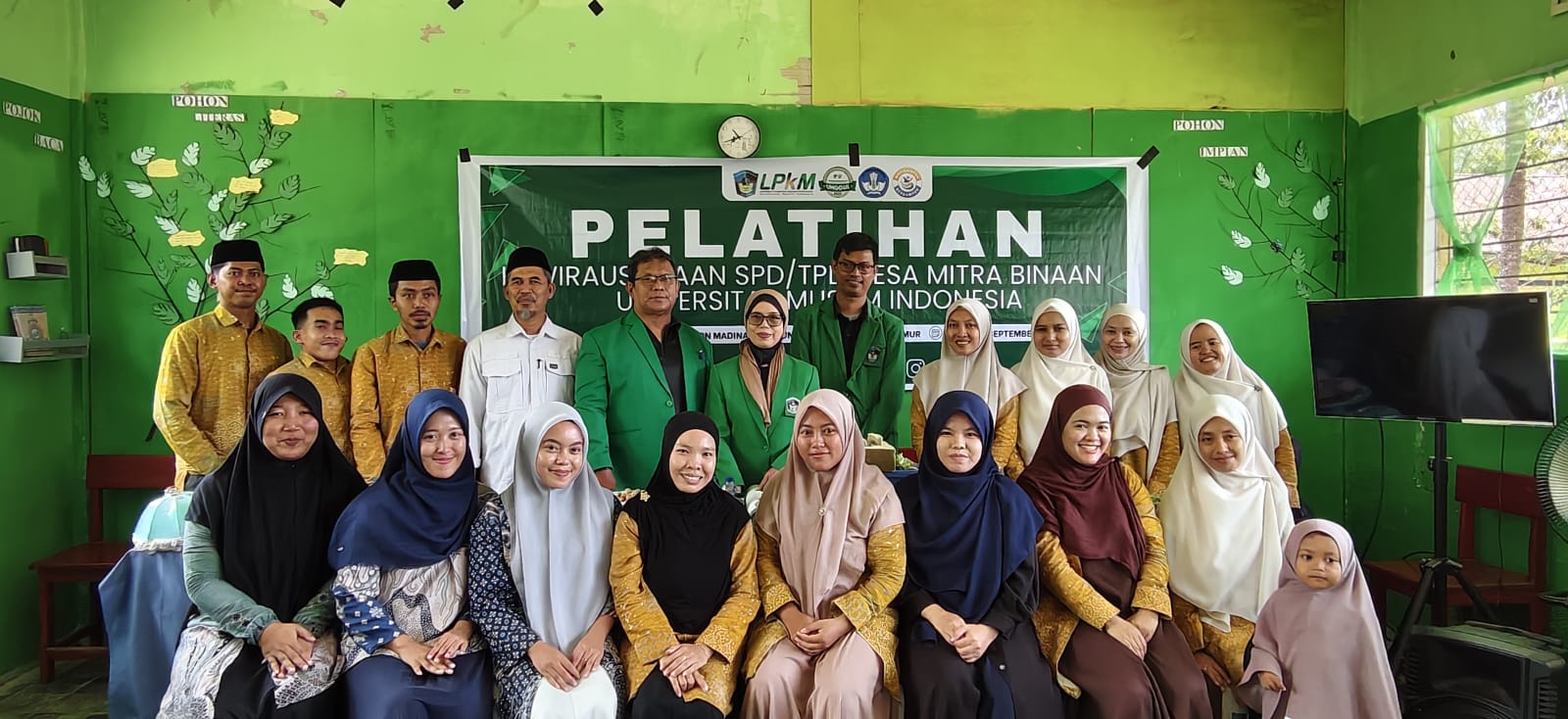
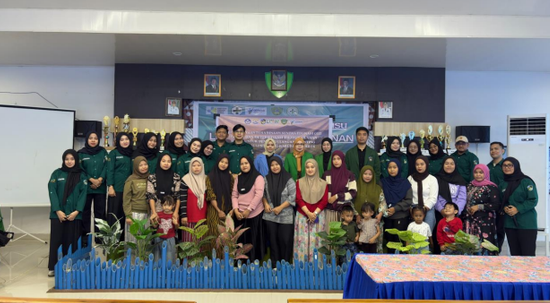
This activity integrates three main approaches, namely strengthening agricultural productivity, digital-based nutrition education, and local food diversification as part of efforts to support food security and prevent stunting. Activities involve the village government, farmer groups, health cadres, Posyandu cadres, and the community of A'bulosibatang Village.
The program is chaired by Prof. Dr. Yusriani, SKM., M.Kes, with team member Prof. Dr. Ir. Hj. Aminah, MP, Andi Widya Mufilah Gaffar, ST., M.Kom., MTA, and Asriany Tunru, SKM., M.Kes.
The series of activities began with the material "Increasing Rice Production through Agricultural Mechanization and Integrated Pest Control" delivered by Prof. Dr. Ir. Hj. Aminah, MP. Participants gain knowledge about the use of agricultural mechanization to increase rice efficiency and productivity, as well as integrated pest control to reduce the risk of losses due to attacks by plant pests.
Strengthening the health aspect was carried out through the material "Digital Nutrition Education and Behavior Change Communication for Stunting Prevention" presented by Andi Widya Mufilah Gaffar, ST., M.Kom., MTA. Participants were introduced to the use of digital technology as a medium for disseminating health and nutrition information as well as the importance of behavior change communication in building healthy living habits.
Next, Asriany Tunru, SKM., M.Kes gave material "Diversification of Processed Rice Products and Family Nutrition in Preventing Stunting." Participants took part in demonstrations and practices in making rice-based supplementary feeding (PMT), including local chicken rice porridge, anchovy rice porridge, and bebatel.
Posyandu cadres and health cadres actively participate in the processing process while discussing nutritional content, serving techniques, and the use of products for PMT menus and family consumption. This approach places rice not only as an agricultural commodity, but also as a food ingredient that can be developed into a product with nutritional and economic value.
This activity integrates three main approaches, namely strengthening agricultural productivity, digital-based nutrition education, and local food diversification as part of efforts to support food security and prevent stunting. Activities involve the village government, farmer groups, health cadres, Posyandu cadres, and the community of A'bulosibatang Village.
The program is chaired by Prof. Dr. Yusriani, SKM., M.Kes, with team member Prof. Dr. Ir. Hj. Aminah, MP, Andi Widya Mufilah Gaffar, ST., M.Kom., MTA, and Asriany Tunru, SKM., M.Kes.
The series of activities began with the material "Increasing Rice Production through Agricultural Mechanization and Integrated Pest Control" delivered by Prof. Dr. Ir. Hj. Aminah, MP. Participants gain knowledge about the use of agricultural mechanization to increase rice efficiency and productivity, as well as integrated pest control to reduce the risk of losses due to attacks by plant pests.
Strengthening the health aspect was carried out through the material "Digital Nutrition Education and Behavior Change Communication for Stunting Prevention" presented by Andi Widya Mufilah Gaffar, ST., M.Kom., MTA. Participants were introduced to the use of digital technology as a medium for disseminating health and nutrition information as well as the importance of behavior change communication in building healthy living habits.
Next, Asriany Tunru, SKM., M.Kes gave material "Diversification of Processed Rice Products and Family Nutrition in Preventing Stunting." Participants took part in demonstrations and practices in making rice-based supplementary feeding (PMT), including local chicken rice porridge, anchovy rice porridge, and bebatel.
Posyandu cadres and health cadres actively participate in the processing process while discussing nutritional content, serving techniques, and the use of products for PMT menus and family consumption. This approach places rice not only as an agricultural commodity, but also as a food ingredient that can be developed into a product with nutritional and economic value.
As a form of support for program sustainability, the UMI GDP Team also handed over technological innovation to the people of A'bulosibatang Village. The technology submitted includes rice grinding equipment, pest spraying equipment, digital educational media, as well as technology to support the diversification of processed rice products. It is hoped that this handover will help the community continue to use technology to increase agricultural productivity while strengthening health education.
Head of the UMI Assisted Village Empowerment Program Team, Prof. Dr. Yusriani, SKM., M.Kes, said that this activity was a concrete form of the university's contribution in supporting community development based on local potential.
"This program is a concrete form of university contribution in supporting community development based on local potential. The synergy between agricultural innovation, health education and the use of technology is expected to create a more independent, productive and healthy society," said Yusriani.
This activity is directed at increasing partner empowerment, both in terms of knowledge, skills, production, management and social aspects. This is in line with the validation indicators for service outcomes in 2026 which emphasize evidence of changes in partners' conditions before and after program implementation.
Through collaboration between universities, village governments, farmer groups, Posyandu cadres, health cadres and the community, it is hoped that this program can continue to develop into a model of empowerment based on local potential to strengthen food security and support the acceleration of stunting reduction at the village level.
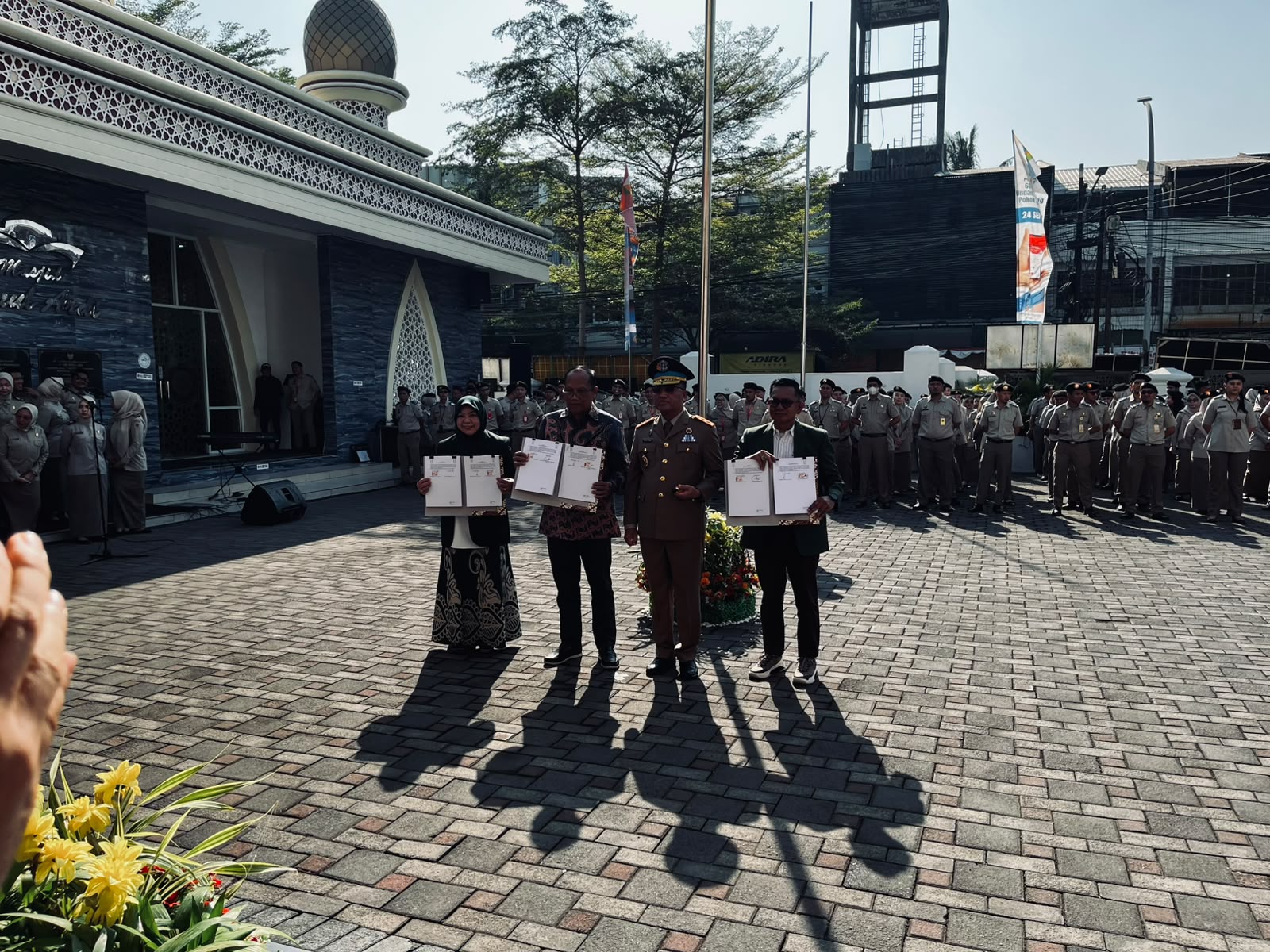
The 2026 Assisted Village Empowerment Program (GDP) is supported by funding from the DIRECTORATE OF RESEARCH AND COMMUNITY SERVICE (DPPM)/ DIRECTORATE GENERAL OF RESEARCH AND DEVELOPMENT (DIRJEN RISBANG), Ministry of Higher Education, Science and Technology of the Republic of Indonesia (Kemdiktisaintek RI). Implementation of the program is based on Master Contract Number 212/C3/DT.05.00/PM/2026 dated 13 April 2026, with derivative contracts Number 521/LL9/PPIP.PPM/2026 dated 22 April 2026 and Number 1353/C.06/UMI/IV/2026 dated 29 April 2026. The program is the first year period of a three-year implementation plan.
"This program is a concrete form of university contribution in supporting community development based on local potential. The synergy between agricultural innovation, health education and the use of technology is expected to create a more independent, productive and healthy society," said Yusriani.
This activity is directed at increasing partner empowerment, both in terms of knowledge, skills, production, management and social aspects. This is in line with the validation indicators for service outcomes in 2026 which emphasize evidence of changes in partners' conditions before and after program implementation.
Through collaboration between universities, village governments, farmer groups, Posyandu cadres, health cadres and the community, it is hoped that this program can continue to develop into a model of empowerment based on local potential to strengthen food security and support the acceleration of stunting reduction at the village level.
The 2026 Assisted Village Empowerment Program (GDP) is supported by funding from the DIRECTORATE OF RESEARCH AND COMMUNITY SERVICE (DPPM)/ DIRECTORATE GENERAL OF RESEARCH AND DEVELOPMENT (DIRJEN RISBANG), Ministry of Higher Education, Science and Technology of the Republic of Indonesia (Kemdiktisaintek RI). Implementation of the program is based on Master Contract Number 212/C3/DT.05.00/PM/2026 dated 13 April 2026, with derivative contracts Number 521/LL9/PPIP.PPM/2026 dated 22 April 2026 and Number 1353/C.06/UMI/IV/2026 dated 29 April 2026. The program is the first year period of a three-year implementation plan.
The UMI team expressed its thanks and appreciation to the Ministry of Education and Technology through the DPPM Director General of Research and Development for funding support, as well as to the government and community of A'bulosibatang Village who have participated in implementing the program.