Calculate Stock Using AI: Maros Police Cooperative Abandon Manual Bookkeeping
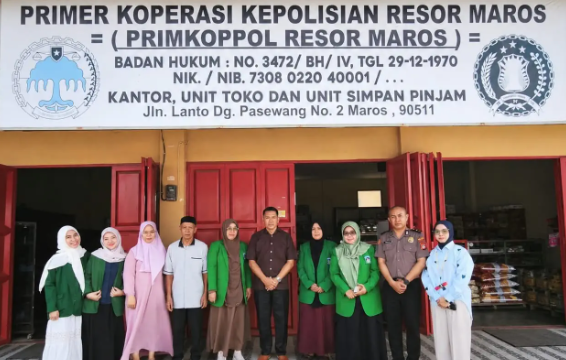
MAROS– Goods that pile up on shelves and goods that are out of stock when buyers look for them are both detrimental to the store. This problem was also experienced by the Maros Primary Police Cooperative (Primkoppol). Therefore, lecturers and students at the Faculty of Computer Science, University
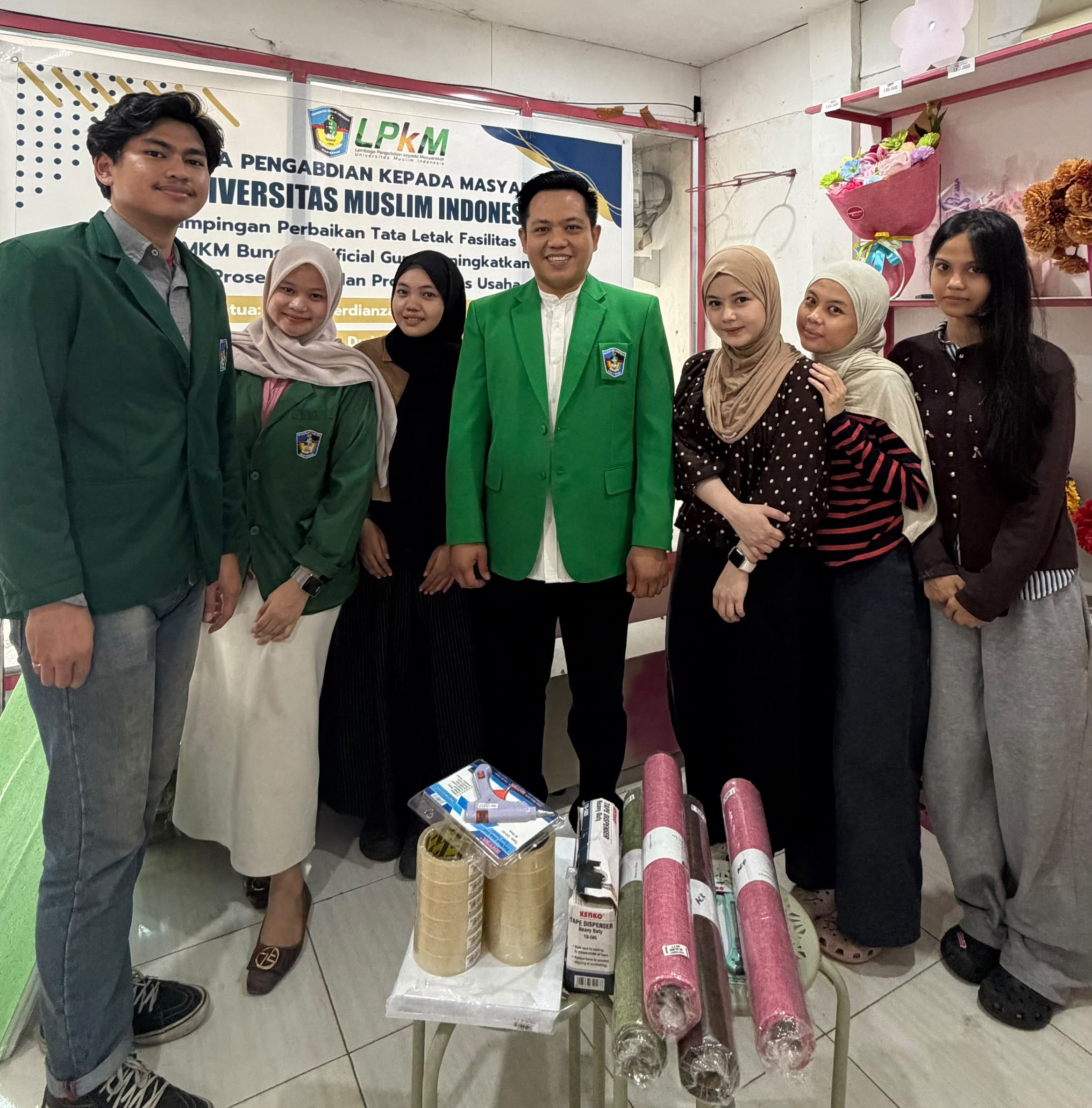
Muslim Indonesia (UMI) Makassar accompanied this cooperative in switching to digital recording as a basis for more measurable stock management, Monday(2/11/2026).
Another problem is that there is no uniform item code, so the same product can be listed under different names. This makes it difficult to monitor inventory and compare sales over time. The accompanying team proposes its use
This activity is part of community service in the Tri Dharma of Higher Education. UMI hopes that technology tailored to partner needs can accelerate the digital transformation of cooperatives and strengthen their business governance.
Muslim Indonesia (UMI) Makassar accompanied this cooperative in switching to digital recording as a basis for more measurable stock management, Monday(2/11/2026).
This activity is called AI-LSTM Based Stock Management Digitalization Assistance at the Maros Resort Primkoppol Cooperative to Minimize the Risk of Overstock and Stockout. The program runs from September to December 2026 under the UMI LPkM, through the UMI Internal PKM scheme.
The root of the problem is in the way of recording. The cooperative serves cash, QRIS and credit payments, but everything is still handwritten. As a result, reports take a long time to prepare, discrepancies in numbers easily occur, and administrators have difficulty tracking credit transactions and matching them with incoming payments.
barcode that is already on the packaging as an item code. That way, products are recognized consistently when goods arrive from suppliers and when they are sold to buyers.
Stock purchases have so far relied on the manager's experience and simple records. As a result, there are items that pile up, increasing storage costs and the risk of expiration, while other items are empty and make the cooperative lose sales opportunities.
For the initial stage, management and staff were trained to use the cashier application and digital stock recording. The material includes inputting data on goods, customers and suppliers, recording sales and incoming goods, managing various payment methods, opening and closing the cash register, stock monitoring and handling technical application problems.
Chairman of the Maros Resort Primkoppol, H. Haeruddin, S.Pd., assessed that this assistance really helped the cooperative implement digital recording. With a more organized system, it is hoped that monthly reports can be prepared more quickly, easily and accurately.
After digital recording is running, the collected sales data will be used to train a Long Short-Term Memory (LSTM) prediction model, an artificial intelligence method that learns patterns from time-sequential data. This model is expected to provide an idea of the number of goods that need to be provided in the next period. In previous tests on campus minimarket sales data, the model achieved a prediction accuracy of 80.57 percent.
The implementation team is chairedIr. Wistiani Astuti, S.Kom., M.T., MTA,togetherDr. Harlinda L., S.Kom., MM., M.Kom., MTA, Ihwana As'ad, S.Ag., M.Sc., Ph.D., and Sugiarti, S.Kom., M.Kom. Two Informatics Engineering students,Fanisa Violena and Wa Ode Namida Heiwa, get involved directly in the field.