BIMA Diktisaintek Service 2026: UMI Team Implements Coconut Processing Technology Based on Local Potential in Bulukumba
Bulukumba, 11 July 2026 – Indonesian Muslim University (UMI) through the Faculty of Agriculture and Mining Land Bioremediation reiterates its commitment to implementing the Tri Dharma of Higher Education through the implementation of the Program
 This service program is designed as an effort to empower the community through the use of abundant local resources, especially coconut commodities. So far, most of the coconut produced by farmers is still marketed in the form of raw materials so its economic value is relatively low. Therefore, the service team presents processing technology innovations which are expected to be able to increase product added value, expand business opportunities, and strengthen community competitiveness in facing market developments.
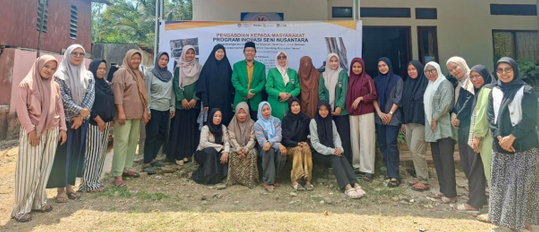
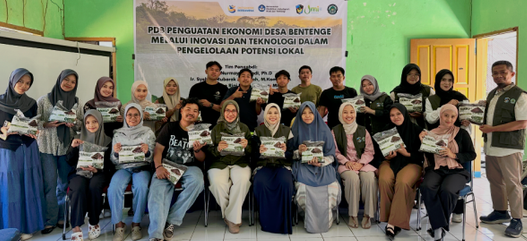
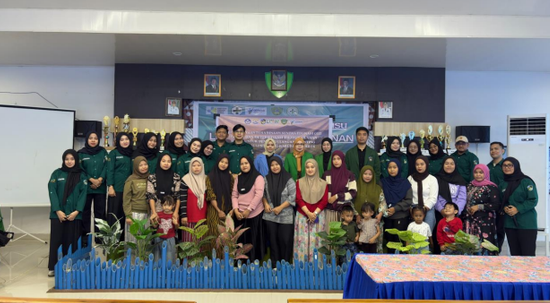
Community Service (PkM) BIMA Diktisaintek 2026. This activity which took place on July 11 2026 was carried out in Bonto Bulaeng Village, Bulukumba Regency, by collaborating with the Buhung Pute Farmers Group as the main partner in implementing coconut processing technology based on local potential.
The service activities were led by Dr. Ir. Abdul Haris, S.P., M.P., lecturer at the Faculty of Agriculture and Mining Land Bioremediation, Indonesian Muslim University, as Head of the Service Team. The team was also strengthened by Ihwana As'ad, S.Ag., M.Sc., Ph.D., MTA., CPSM., who also contributed in providing assistance to the community. Collaboration across scientific fields is one of the strengths in presenting solutions that are not only oriented towards technological aspects, but also include strengthening human resource capacity, farmer group institutions, as well as developing entrepreneurship based on village potential.
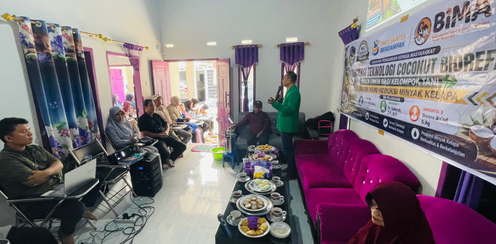
The series of activities include counseling, training, technology demonstrations, and interactive discussions regarding processing coconut products. The material provided includes efficient processing techniques, product quality control, packaging, and marketing strategies that can be implemented by farmer groups independently. The participatory approach applied in this activity provides an opportunity for all participants to discuss directly the various obstacles faced in managing coconut commodities, as well as obtain solutions that are appropriate to field conditions.
The enthusiasm of the members of the Buhung Pute Farmers Group was visible during the activity. The participants actively took part in training sessions, asked questions, and shared experiences regarding the coconut cultivation and processing practices they had been carrying out. It is hoped that the interaction between the service team and the community will be the beginning of cooperation
sustainable development of innovation based on local potential that is capable of providing real economic benefits.
According to the Head of the Service Team, Dr. Ir. Abdul Haris, S.P., M.P., this activity is not only oriented towards technology transfer, but also aims to build community independence in managing local resources more productively and sustainably. Universities have a strategic role as centers for the development of knowledge which must be capable
provide real solutions to various problems faced by society, especially in the agricultural and agro-industrial sectors.
Through the 2026 BIMA Diktisaintek Community Service Program, Indonesian Muslim University hopes that the results of this activity can be the first step in strengthening the downstreaming of coconut commodities in Bulukumba Regency. Apart from increasing people's knowledge and skills, this program is also expected to be able to encourage the birth of new products.
processed coconut products that add value, expand business opportunities, increase farmers' income, and strengthen the village economy based on local resources. This activity is also clear evidence of the Indonesian Muslim University's commitment to supporting innovative, competitive and sustainable agricultural development through synergy between universities, government and society.
The enthusiasm of the members of the Buhung Pute Farmers Group was visible during the activity. The participants actively took part in training sessions, asked questions, and shared experiences regarding the coconut cultivation and processing practices they had been carrying out. It is hoped that the interaction between the service team and the community will be the beginning of cooperation
sustainable development of innovation based on local potential that is capable of providing real economic benefits.
According to the Head of the Service Team, Dr. Ir. Abdul Haris, S.P., M.P., this activity is not only oriented towards technology transfer, but also aims to build community independence in managing local resources more productively and sustainably. Universities have a strategic role as centers for the development of knowledge which must be capable
provide real solutions to various problems faced by society, especially in the agricultural and agro-industrial sectors.
Through the 2026 BIMA Diktisaintek Community Service Program, Indonesian Muslim University hopes that the results of this activity can be the first step in strengthening the downstreaming of coconut commodities in Bulukumba Regency. Apart from increasing people's knowledge and skills, this program is also expected to be able to encourage the birth of new products.
processed coconut products that add value, expand business opportunities, increase farmers' income, and strengthen the village economy based on local resources. This activity is also clear evidence of the Indonesian Muslim University's commitment to supporting innovative, competitive and sustainable agricultural development through synergy between universities, government and society.