PKM Strengthening the Resilience of Santri Using the Thibbun Nabawi Method at the Wihdatul Ulum Islamic Boarding School, Umi Waqf Foundation, Bontokassi Village, Gowa
Strengthening Resilience of Santri Based on Thibbun Nabawi: UMI FK Team Holds Training at Wihdatul Ulum Islamic Boarding School
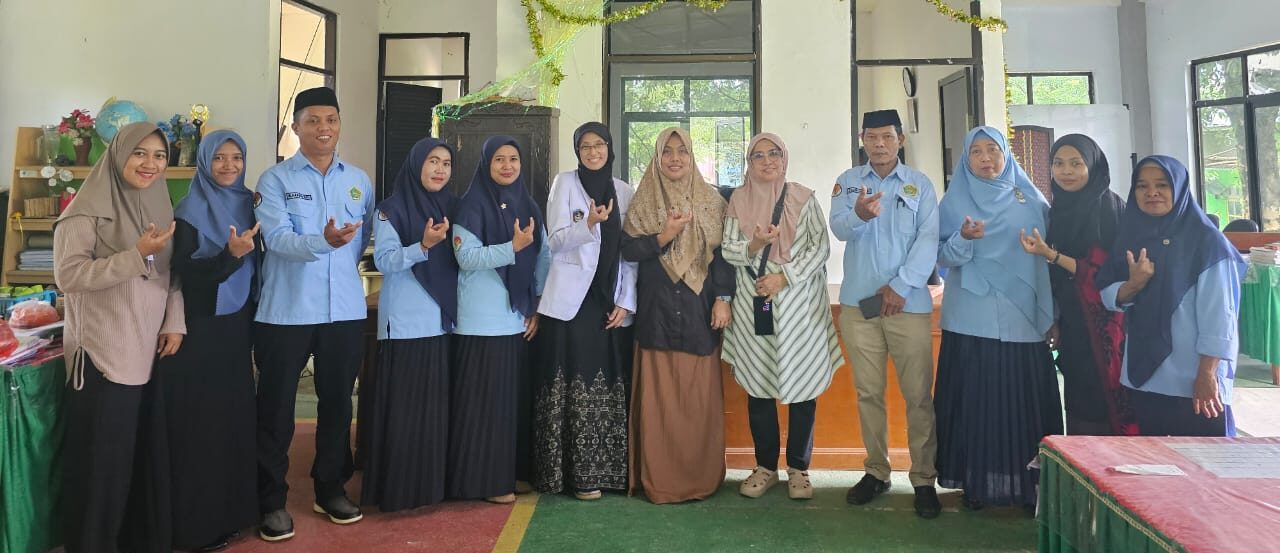
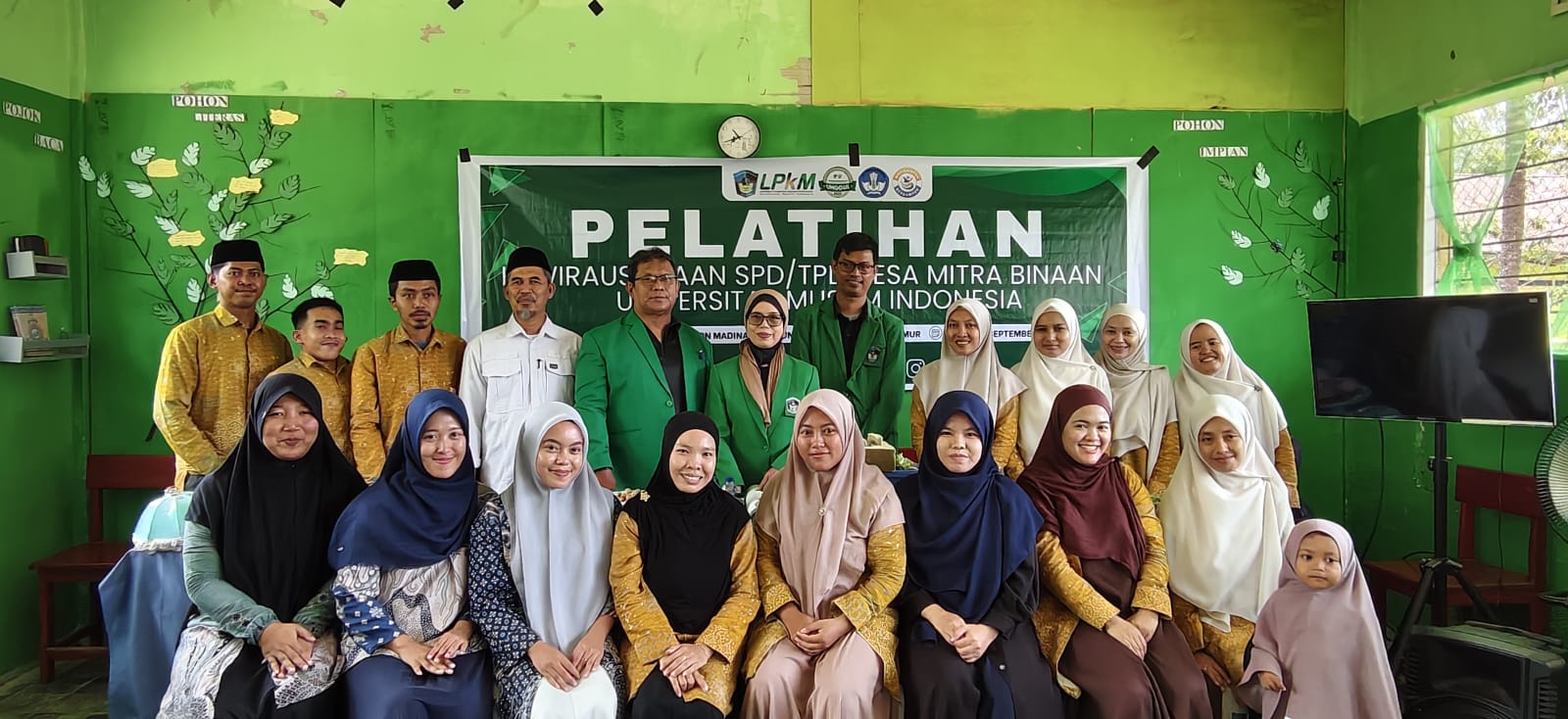
Gowa— A team of lecturers from the Faculty of Medicine, Indonesian Muslim University (FK UMI) carried out a Community Service (PKM) program with the theme Strengthening the Resilience of Santri using the Thibbun Nabawi Method at the Wihdatul Ulum Islamic Boarding School, Bontokassi Village, Parangloe District, Gowa Regency. Activities focus on increasing the mental resilience of students through a psychosocial approach and Islamic values.
The activities will take place from July to November 2025 and involve 20 Madrasah Aliyah students and three accompanying teachers. This program is led by dr. Ilma Khaerina Amaliyah Bakhtiar, Sp.KJ, with members dr. Nur Fadhillah Khalid, M. Biomed.
High Student Stress Levels
The results of the initial screening of 18 students showed high levels of stress in the Islamic boarding school environment. As many as 33.33% of students experienced severe stress, 27.78% had very severe stress, and only 16.67% were in the normal stress category. These findings form the basis for the need for structured mental health coaching.
"Screening data shows the urgent need to provide psychosocial interventions that are contextual and appropriate to Islamic boarding school culture," said Dr. Ilma.
Islamic Mental Health Training
During the activity, the PKM team provided education regarding the concept of resilience, stress management, as well as Thibbun Nabawi's practices such as dhikr, breathing relaxation, gratitude journaling, and habituation to a healthy Sunnah lifestyle. Santri also receive the Resilient Santri module ala Rasulullah as a daily guide for mental strengthening exercises.
Teachers receive basic psychological assistance material, including techniques for recognizing stress symptoms and the importance of follow-up counseling. The discussions held revealed common problems such as truancy and smoking, as well as the need for a tiered counseling system.
Participant Enthusiasm and Partner Support
The implementation of activities received full support from the Islamic boarding school. Partners provide facilities, participants and field assistants, and are committed to continuing to use the modules regularly.
"We have been greatly helped by this program. Santri have become more open and teachers understand the initial treatment steps when they find symptoms of stress," said one of the Islamic boarding school supervisors.
Sustainability Direction
The lecturer team encourages Islamic boarding schools to integrate resilience material into weekly activities or non-formal curriculum. It is hoped that this program will become a model for Islamic mental health development that can be replicated in other Islamic boarding schools in the Gowa area.
"Fostering the resilience of santri is a long-term investment in the quality of the younger generation. With Thibbun Nabawi's approach, santri learn to face life's pressures spiritually, purposefully and based on Islamic values," said Dr. Ilma.