UMI PKM Team Conducts Education on Ornamental Plant Planting Media and Terrarium Making for MT. Nurhidayah, Biringkanaya District, Makassar City
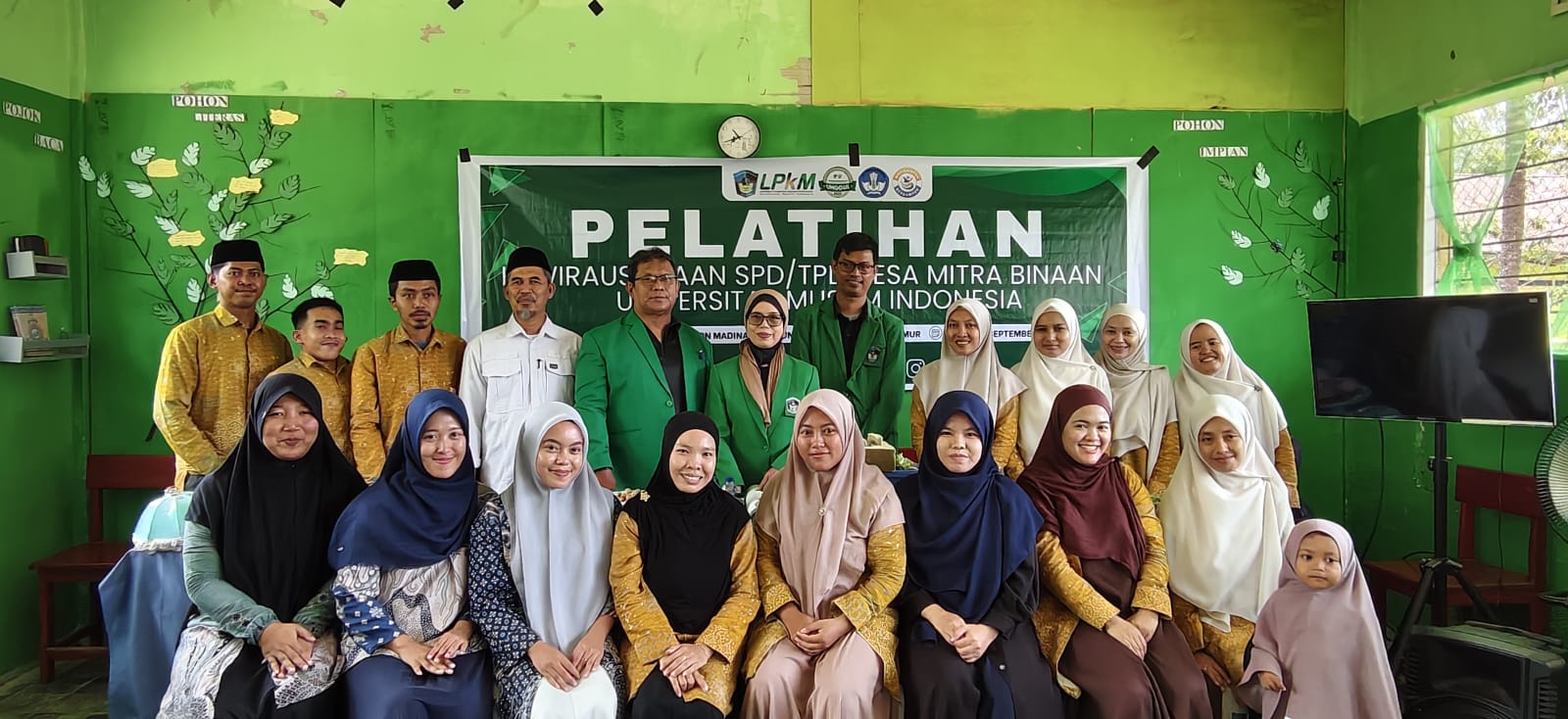
The service team from the Faculty of Agriculture, Indonesian Muslim University, namely Dr. Ir. Suraedah Alimuddin, MP as chairman and Dr. Ir. St. Sabahannur, MP and two students have carried out community service activities (PKM) at Griya Tonasa Permai Housing, Pai Village, Biringkanaya District, Makssar City and as partners is the Nurhidayah Taklim Council. This activity was carried out with the aim of providing education to MT members. Nurhidayah through outreach activities and discussions about the types of planting media that are suitable for ornamental plants and continued with a demonstration of the use of these planting media in making terrariums.

In this activity, Suraedah Alimuddin stated that ornamental plants and terrariums are attractive because they are beautiful to look at, so they provide many benefits, such as increasing the beauty of the room, garden or other area, as room decoration, creating a more comfortable, calm and relaxed atmosphere. Apart from that, several types of ornamental plants can absorb pollutants, thereby improving air quality both outside and indoors, helping to absorb sound and creating a calmer atmosphere, increasing concentration and focus at work, and can reduce stress.
Because its beauty is what makes MT. Nurhidayah enjoys keeping ornamental plants in their respective yards, and they even often discuss ornamental plants. They keep quite a lot of ornamental plants that can be made into terrariums.

Furthermore, Suraedah explained that the beauty value of an ornamental plant is determined by its growth, while plant growth is greatly influenced by the appropriate type of planting medium. A good planting medium has the ability to bind water, supplies the nutrients needed by plants, has good circulation and air availability (aeration), is able to support the establishment of plants, and does not rot easily. Each type of ornamental plant requires a different type or condition of planting media, therefore selecting the appropriate type of planting media and composition of the planting media will provide better plant growth and more attractive plant beauty.
On this occasion, several types of planting media were introduced and then handed over to partners, namely compost, cocopeat, chopped fern, sphagnum moss, silica sand, perlite, fermiculite, Bali sand, Malang sand, and hydrogel along with their respective functions in supporting the growth of ornamental plants. Then continued with a demonstration of making a terrarium. Each partner member receives terrarium materials by the service team and then they make terrariums according to their individual creativity. They participated in this activity with enthusiasm and enthusiasm. The terrariums that have been made by the partners are then taken to their respective homes to be maintained and then monitored for growth until the plants are confirmed to be growing well.
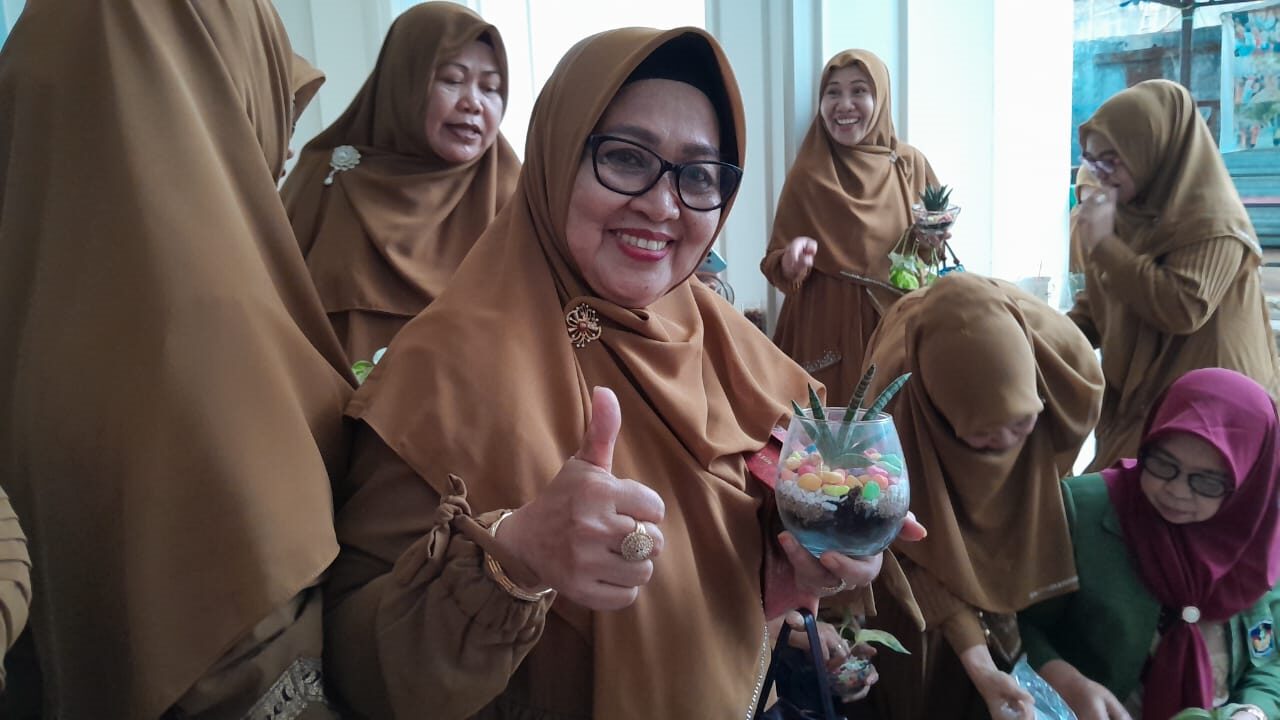
Our hope is that our partners' knowledge and skills in maintaining ornamental plants will improve. Making terrariums, apart from being a hobby, can also be used as a home business for partners to increase family income.
The existence of this activity makes all MT members. Nurhidayah is again enthusiastic about maintaining ornamental plants, said Mrs. Syamsiar Bulwaty as head of MT. Nurhidayah. Therefore, they hope that this kind of activity can be sustainable, especially at the Griya Tonasa Housing Complex.
We, from the service team, would like to thank the Indonesian Muslim University Waqf Foundation as the funder and the UMI Community Service Institute (LPkM) for all their guidance so that the implementation of this activity can run well.