Two UMI Lecturers Conduct International PKM in Thailand
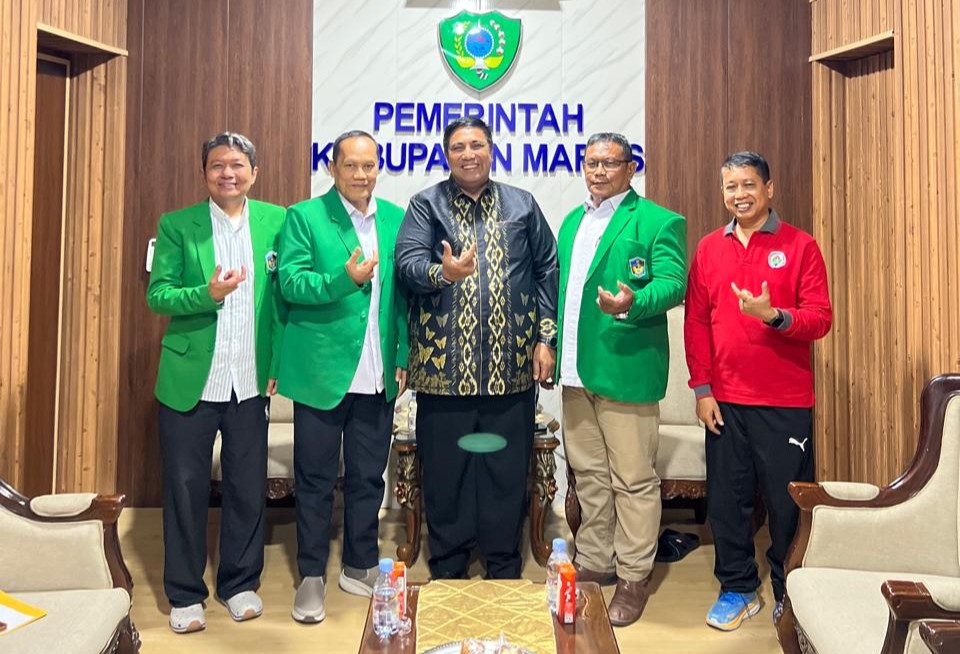
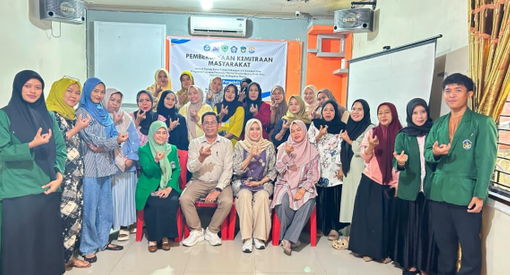
The fundamental responsibility of academic faculty members within the Tri Dharma framework of higher education is the dissemination of knowledge to the community; This commitment underscores the proactive stance of the Indonesian Muslim University (UMI), an institution dedicated to education and da'wah, which continually emphasizes the importance of engaging with societal conditions. Between September 28 and October 2 2024, UMI sent lecturers to Thailand to carry out community service initiatives.
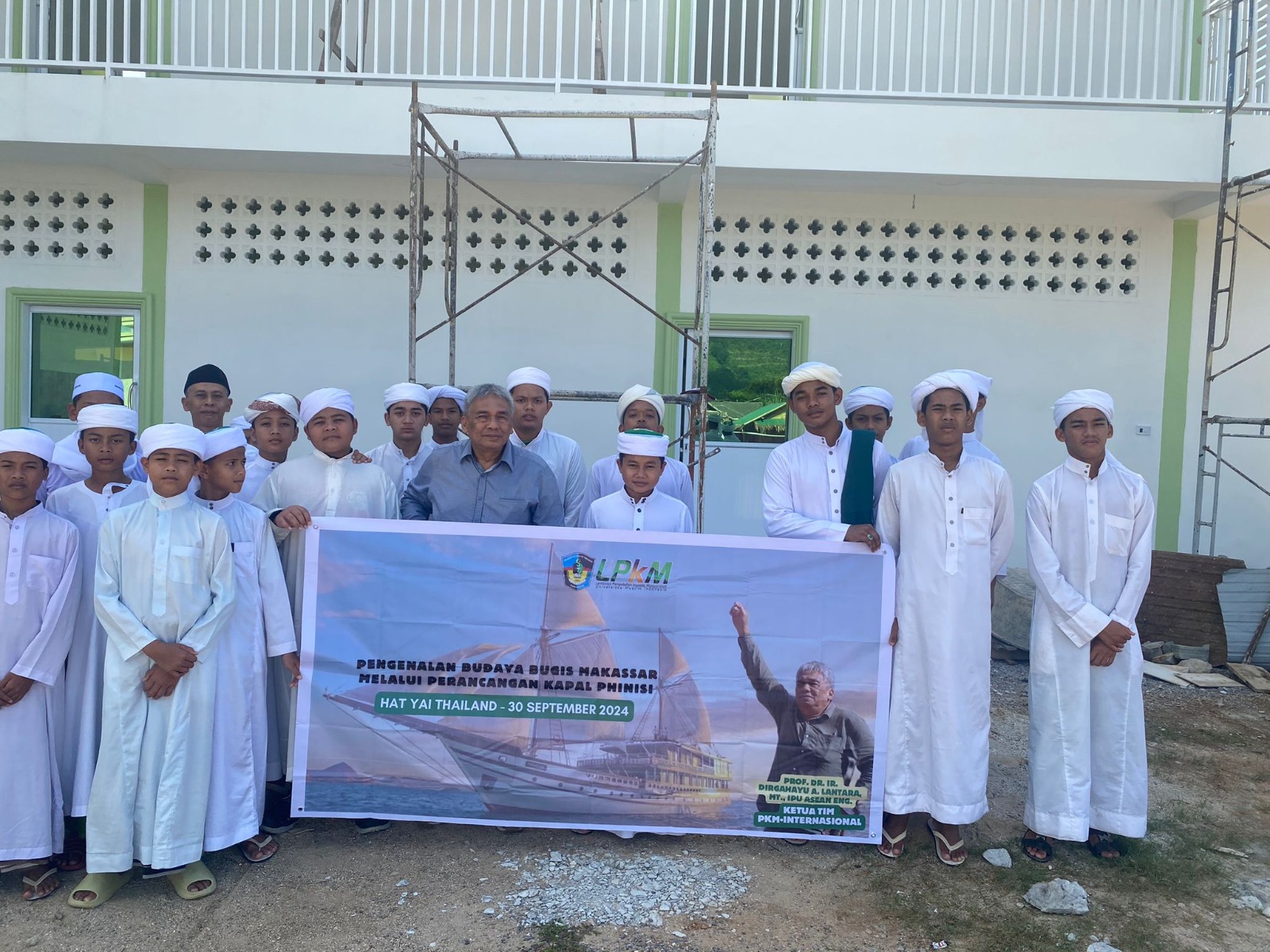
This international community service (PKM) program, which is organized by the UMI Community Service Institute (LPKM), aims to promote Indonesia's cultural heritage, especially Makassar Bugis culture, through the tradition of religious vessel crafts at Madrasah As-Shalihiyah Ad-Diniyah in Songkla, where this initiative is led by Prof. Dr. Ir. H. Dirgahayu Lantara, MT, IPU, who also serves as chairman of LPKM UMI.
The second contributor, Dr. H. Agussalim Beddu Malla, MA, faculty member from the UMI Arabic Literature Department, focuses on the theme of fostering creativity in Arabic language teaching at the Tahfidz al-Qur'an Addalawiyah Islamic Boarding School in Songkla, Thailand.
According to Ust. Agus, this initiative not only aims to familiarize participants with Bugis Makassar culture and innovative Arabic language teaching methodologies, but it is also hoped that UMI students will then be involved in practical work experience (PKL) or community service programs (KKN) in various madrasas and boarding schools throughout Thailand.
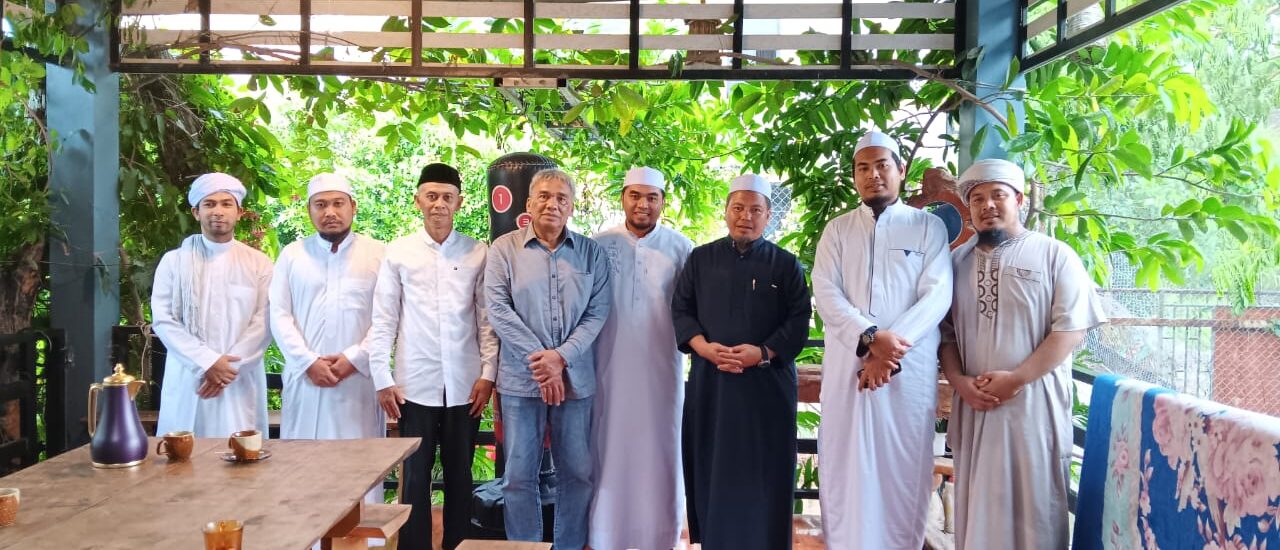
Throughout the PKM activities, the enthusiasm shown by the students was palpable as they engaged with the content presented by the two speakers; moreover, these participants expressed a desire for the discourse to extend beyond this event, as they found the material very inspiring.
The PKM initiative is poised for further enhancement through the establishment of collaborative partnerships, given that several religious educational institutions in Thailand have expressed their willingness to engage in collaborative efforts in the domains of culture, language, and technology.