Education and Training on Detection of Microbes, Pesticides and Hazardous Chemicals in Food Products

LPKM Indonesian Muslim University (UMI) has once again demonstrated its commitment to supporting improving the quality of society through community service programs. On this occasion, LPKM UMI gave its mandate to two experienced lecturers, namely Mrs. Ulfah Sulaeman, SKM., M.Kes from the Faculty of Public Health (FKM UMI) and Mr. Dr. Abdul Muhdi Ardiansar AK, Sp.PD from the Faculty of Medicine, UMI, to carry out educational activities in the form of training for the PKK women's group in Borisallo Village.
The training carries the theme "Detection of Microbes, Pesticides and Hazardous Chemicals in Food", which aims to increase public literacy regarding the potential dangers of contamination in everyday food. This theme was chosen based on the high risk of exposure to hazardous materials due to excessive use of pesticides and unhygienic food handling.
In their speech, the service team explained that the community needs to be equipped with the basic skills to recognize signs of unsafe food. This is important considering that many foodstuffs consumed by the public, such as vegetables, fruit and processed products, are often exposed to microorganisms or chemical residues without realizing it.
The participants, the majority of whom are housewives, received material about the types of dangerous microorganisms that often contaminate food, such as pathogenic bacteria and toxin-producing fungi. Explanations are given using simple language so that all participants can easily understand them.
Apart from that, material regarding pesticide residues was also presented. Participants were given an overview of how pesticides can remain on the surface of food, as well as the long-term impacts they can have on health, ranging from digestive disorders to more serious chronic problems.
The training also discusses various other dangerous chemicals that may be found in food, such as textile dyes, illegal preservatives, and even borax. This education is considered important so that people are more alert in choosing food products on the market.
The next session focuses on the practice of using simple test kits to detect the presence of contaminants in food. The instructors showed how to operate the equipment, then invited participants to try directly using samples of the food ingredients that had been prepared.
The participants' enthusiasm was clearly visible when they enthusiastically tested vegetables, fruit and other food ingredients. Many participants were surprised to see test results indicating potential contamination in some samples, raising their awareness of the importance of testing products before consumption.
Apart from material regarding food safety, this activity was also combined with basic health checks for PKK members. The examination includes checking blood pressure, blood sugar levels, as well as a brief health consultation with the medical team. This session was well received by participants who wanted to know their health condition.
According to the committee, health checks were carried out as a form of supportcomprehensive efforts to create a healthier society, not only throughfood risk control but also through regular monitoring of health conditions.In between activities, participants also had the opportunity to have direct discussionswith sources. Many participants asked questions about the safety of vegetablespurchased at the market, how to wash food properly, and storage methodsappropriate so that it is not easily contaminated.
To help people apply the knowledge they have acquired,The organizers distributed various supporting equipment, including masks and sarongshands, as well as simple test equipment such as a pH photometer which can be used for detectionearly food.It is hoped that the distribution of equipment will make it easier for participants to participatecarry out independent supervision in their respective homes. This is also a stepconcrete in building a culture of food safety awareness at the family level.
At the end of the activity, LPKM UMI expressed hope that this training would be successfulbecame the beginning of a movement of people who cared more about the quality of foodconsumed daily. With increasing knowledge, society is expected to be ableMinimize health risks due to hazardous ingredients in food.
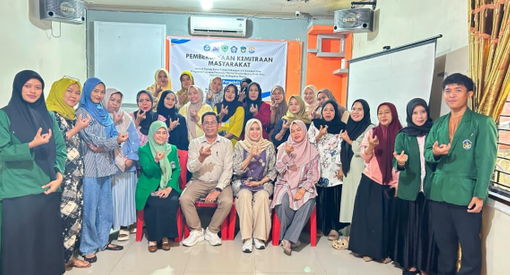
This activity closed with a group photo session and a presentation of appreciation topresenters and participants. The village government expressed its thanks to UMIhas made a real contribution to improving understanding and skillspublic.
Through this training, UMI reaffirms its role as an educational institutionwho are active in community empowerment. It is hoped that this program can be an inspirationfor similar activities in other villages, in order to create a healthier society,smart and powerful.