Halal Certification Education: Synergy between UMI and Pucak Maros Village to Encourage the Competitiveness of Local Products
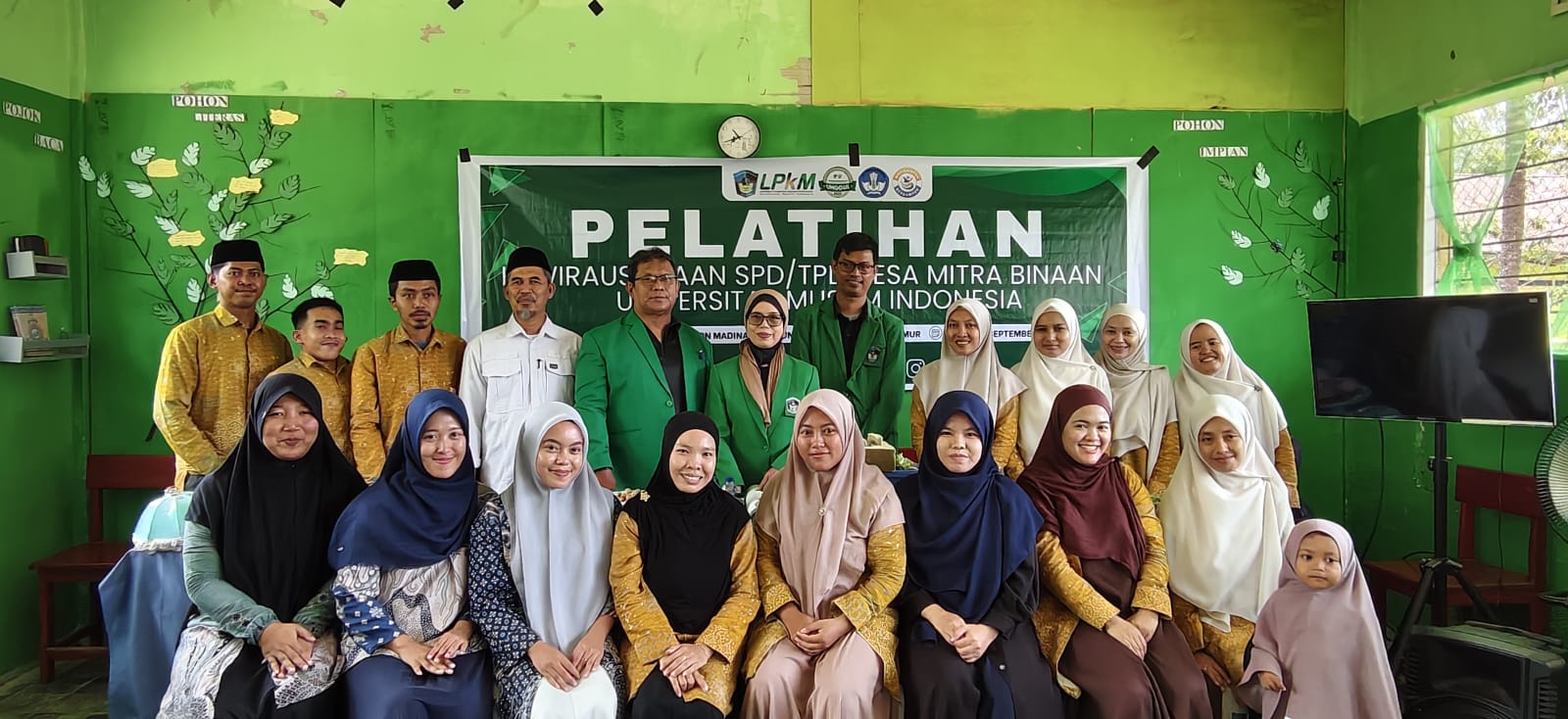
MAROS – Indonesian Muslim University (UMI) collaborates with the Pucak Village Government, Maros, to hold an educational program related to the SIHALAL application and the halal certification process for food and beverage products. This activity was held in the Pucak Village Office Hall, Tompobulu District, Maros Regency, with high enthusiasm from participants.
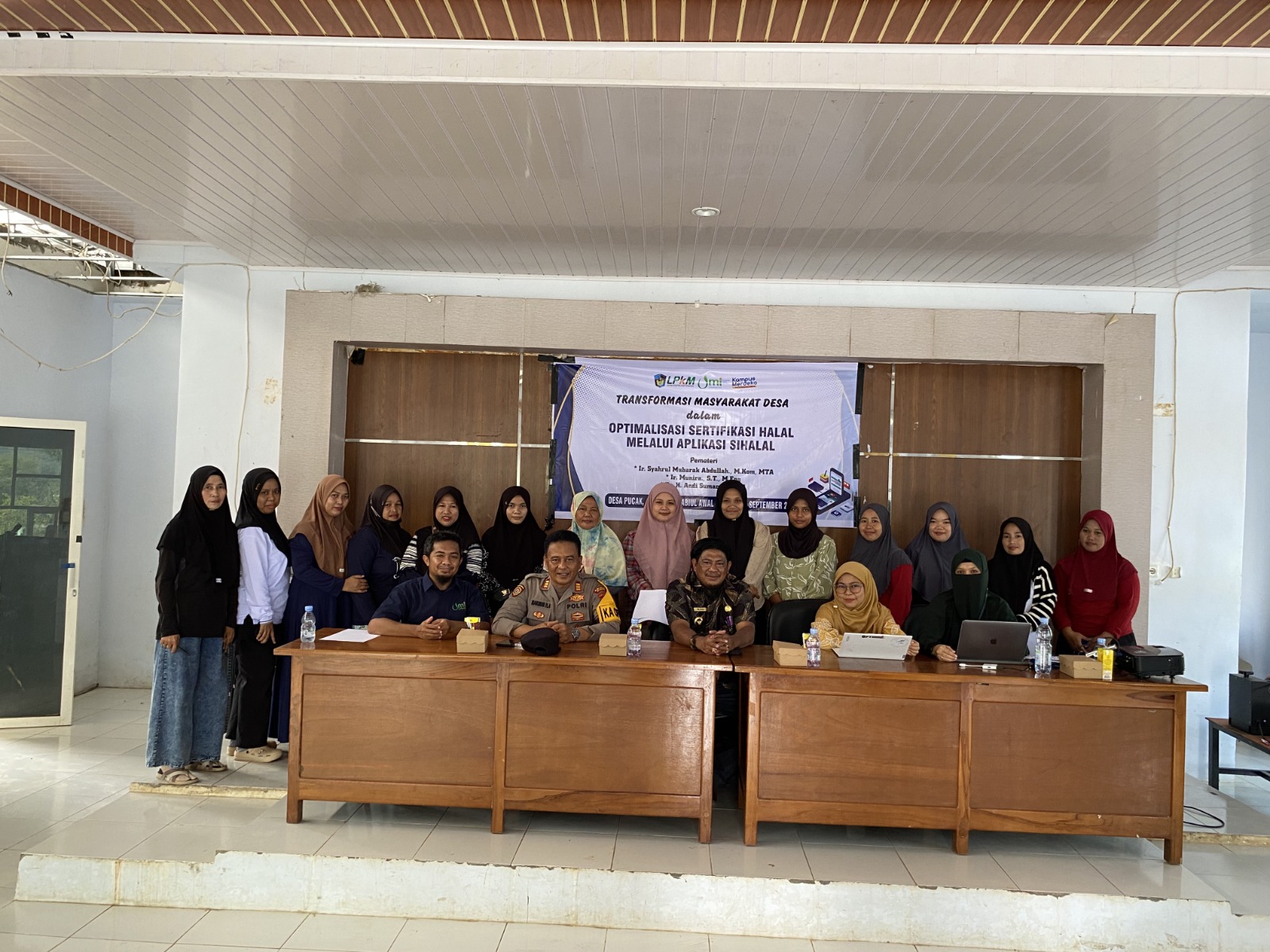
Four reliable presenters from UMI were presenters, namely Ir. Syahrul Mubarak Abdullah, M.Kom, MTA (Faculty of Computer Science), Ir. Munira, S.T., M.Eng (Faculty of Industrial Engineering), Siska Anraeni, S.Kom., M.T (Faculty of Computer Science), and Dr. H. Andi Sumardin, MA (Faculty of Islamic Religion). They delivered material about the SIHALAL application, an innovative platform designed to make it easier for business actors in the halal certification process.
In their presentations, the lecturers explained the importance of halal certification as a guarantee of health and halal products that comply with sharia. "Halal certification is not only about meeting religious standards, but also an additional attraction for consumers who are increasingly concerned about product quality and safety," said one of the presenters.
Apart from that, the participants, the majority of whom were MSMEs in Pucak Village, gained in-depth insight into the benefits of halal certification in strengthening business legality. With this legality, local products have the potential to reach a wider market, even at the national level.
The Head of Pucak Village, Abdul Razak, in his speech stated that this program had an important role in supporting village MSMEs. "This education is expected to increase the competitiveness of local products. With halal certification, business actors not only strengthen legality but also open access to a larger market," said Abdul Razak.
Babinkabtibmas Pucak Village also supports this initiative, highlighting the importance of collaboration to improve the quality of local products. "This spirit must continue to be maintained so that our products are not only healthy and halal but also competitive," he said.
It is hoped that this enthusiastic activity will be the first step for Pucak Village MSMEs to innovate and develop their businesses, while also having a positive impact on the village economy. With halal certification as the main capital, Pucak Village's local products are ready to compete in a wider market.