UMI Lecturer Team Implements IoT System to Optimize Electrical Safety at SMK Negeri 6 Bulukumba
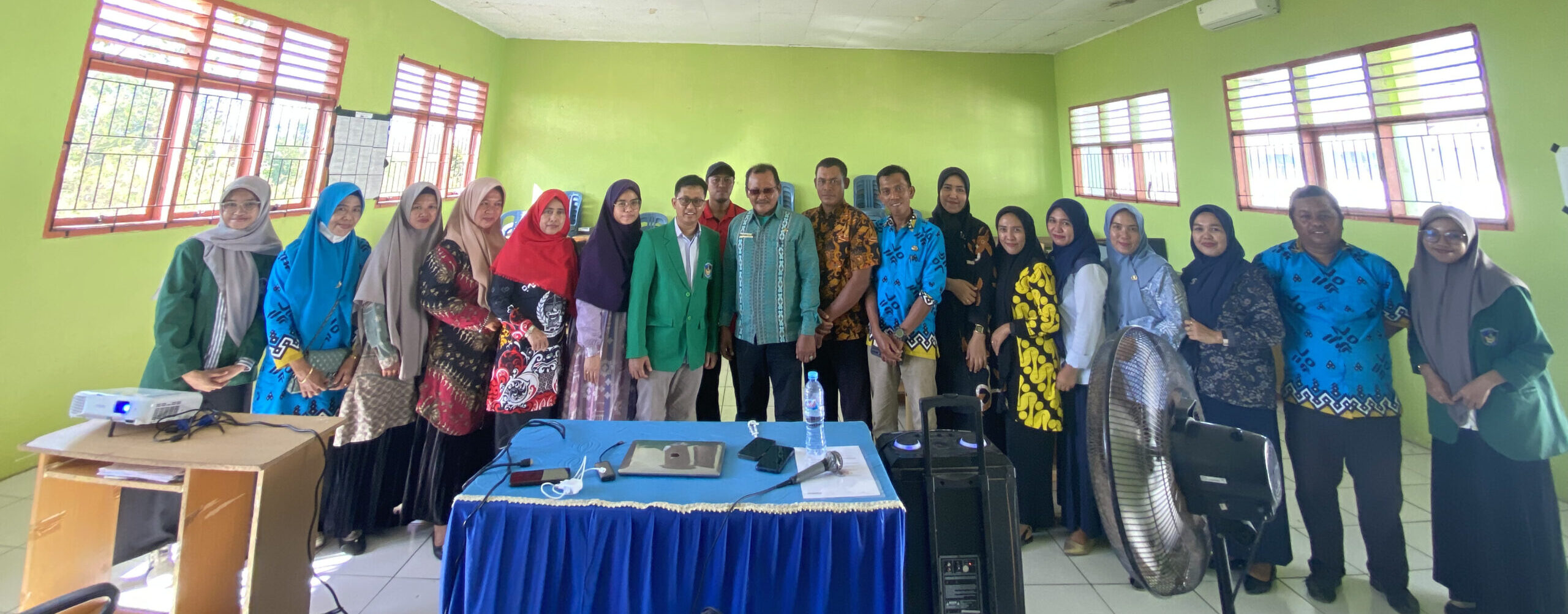
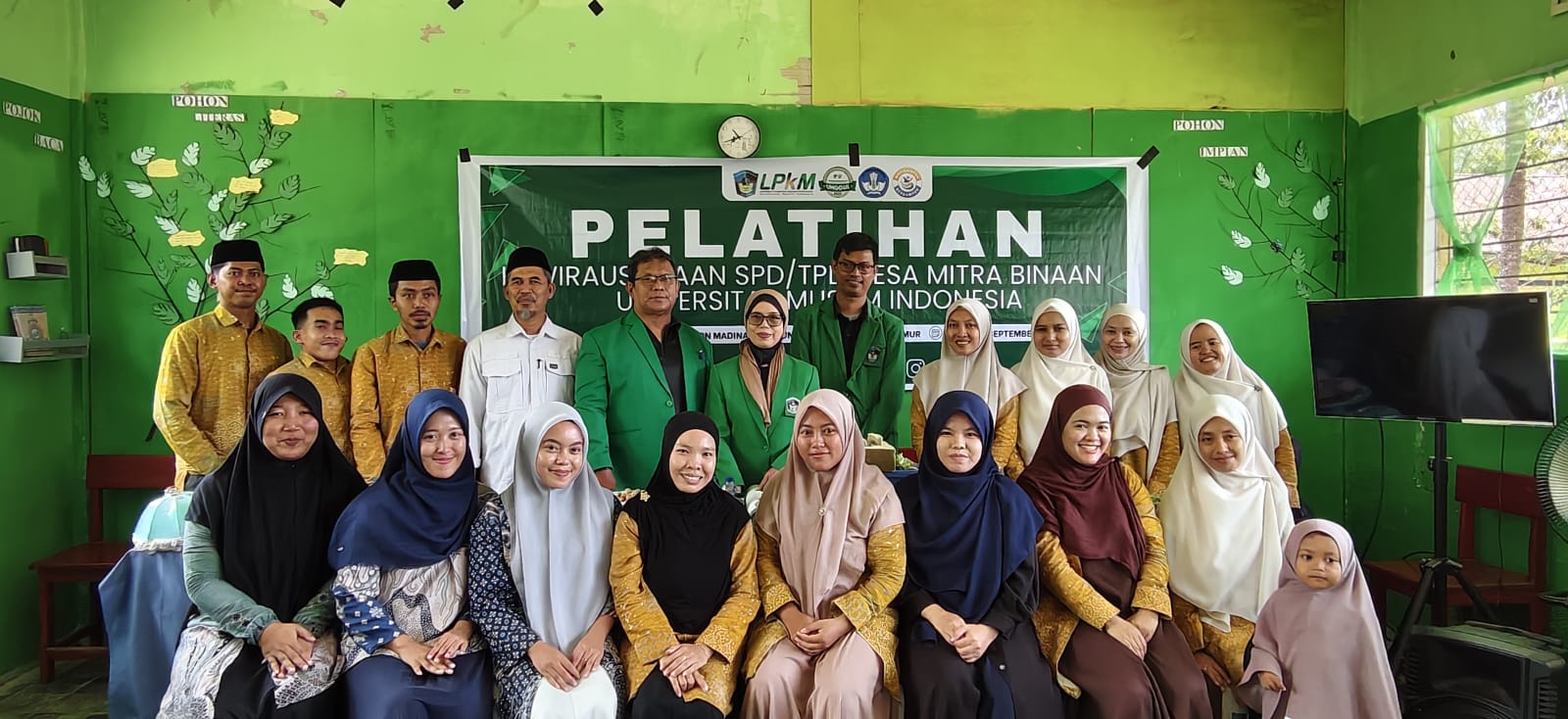
The Community Service Team (PKM) from the Indonesian Muslim University (UMI) succeeded in implementing Internet of Things (IoT) technology to optimize the security and efficiency of the electricity system at SMK Negeri 6 Bulukumba, South Sulawesi. This innovation is part of efforts to improve the security of the learning environment through the use of modern technology.
"Student safety and energy efficiency are the main priorities in developing this system," said Ir. Bayu Adrian Ashad, S.T., M.T., PKM team leader who is also a lecturer in the Electrical Engineering Study Program, Faculty of Engineering, UMI. The IoT-based monitoring system implemented is capable of detecting and preventing potential electrical hazardsreal-time. Accompanied by Ramdaniah, S.Kom., M.T., MTA as a team member who is a lecturer at the UMI Informatics Engineering Study Program, this program not only focuses on technical aspects, but also provides comprehensive education to the school community. Teachers and students gain practical understanding of IoT technology which is currently a global trend in the industrial revolution 4.0.

The Head of Bulukumba State Vocational School 6, Baharuddin, S.Pd., M.M., welcomed the implementation of this technology positively. "We are very grateful for the help of the UMI PKM team. This system is very helpful in creating a safer and more modern learning environment for our students," he said.
This program presents several strategic benefits for schools:
- Increased electrical system security through automatic monitoring
- Reducing the risk of accidents due to electrical disturbances
- Efficient use of electrical energy
- Increasing technological competence for teachers and students
- Modernization of school infrastructure
The implementation of this IoT system also provides hands-on experience for students in understanding modern technology applications. This program is clear evidence of UMI's contribution to the development of vocational education through the transfer of technology and knowledge. It is hoped that the implemented system can become a pilot model for other educational institutions in optimizing the safety and efficiency of their electrical systems. The success of this program shows the importance of collaboration between universities and vocational high schools in facing the challenges of the digital era